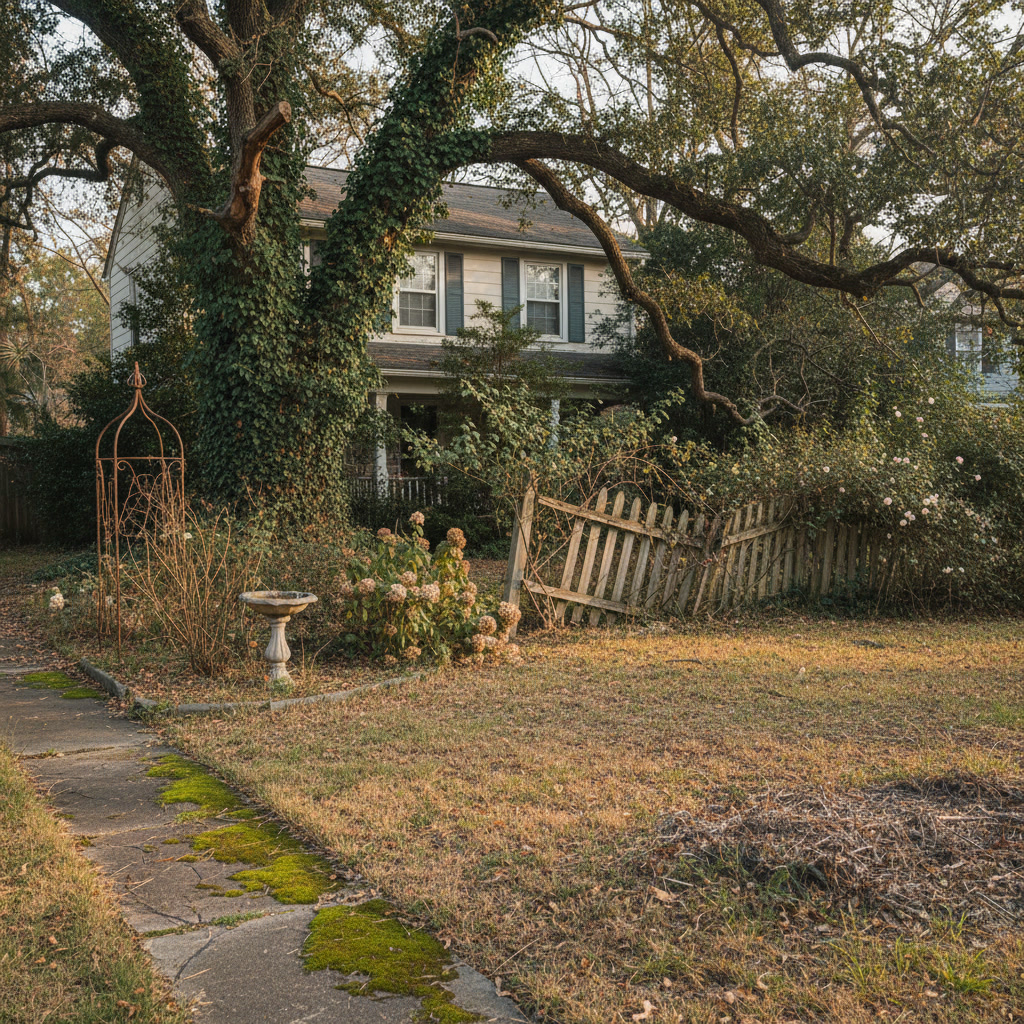
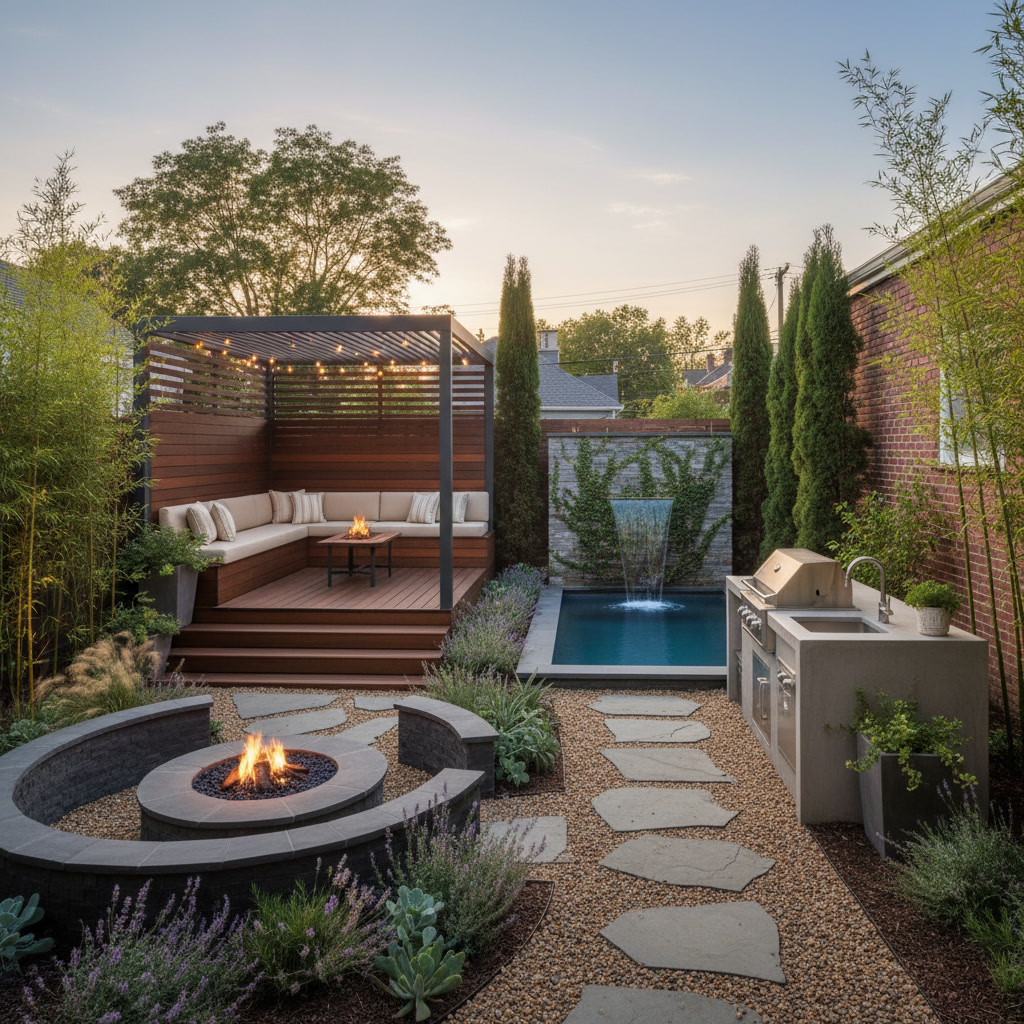
Strategic landscape design small backyards can create remarkable outdoor living spaces that rival larger properties in both beauty and function. Through thoughtful planning, vertical elements, multi-purpose features, and hardscaping techniques, even the most compact yard becomes an extension of your home. The key lies in maximizing every square foot while maintaining a sense of openness and flow.
Why Small Backyards Require Different Design Approaches
Designing for limited square footage demands a fundamentally different strategy than traditional landscape planning. Every element must serve multiple purposes, and poor choices become magnified in tight quarters. A large patio might feel luxurious in a spacious yard but can overwhelm a small one, leaving no room for greenery or movement.
The psychology of space also matters. Dark corners, cluttered features, and too many competing focal points make small areas feel cramped. Professional designers understand how to use sightlines, layering, and strategic placement to create depth where physical space is limited.
The Foundation: Proper Planning Before Breaking Ground
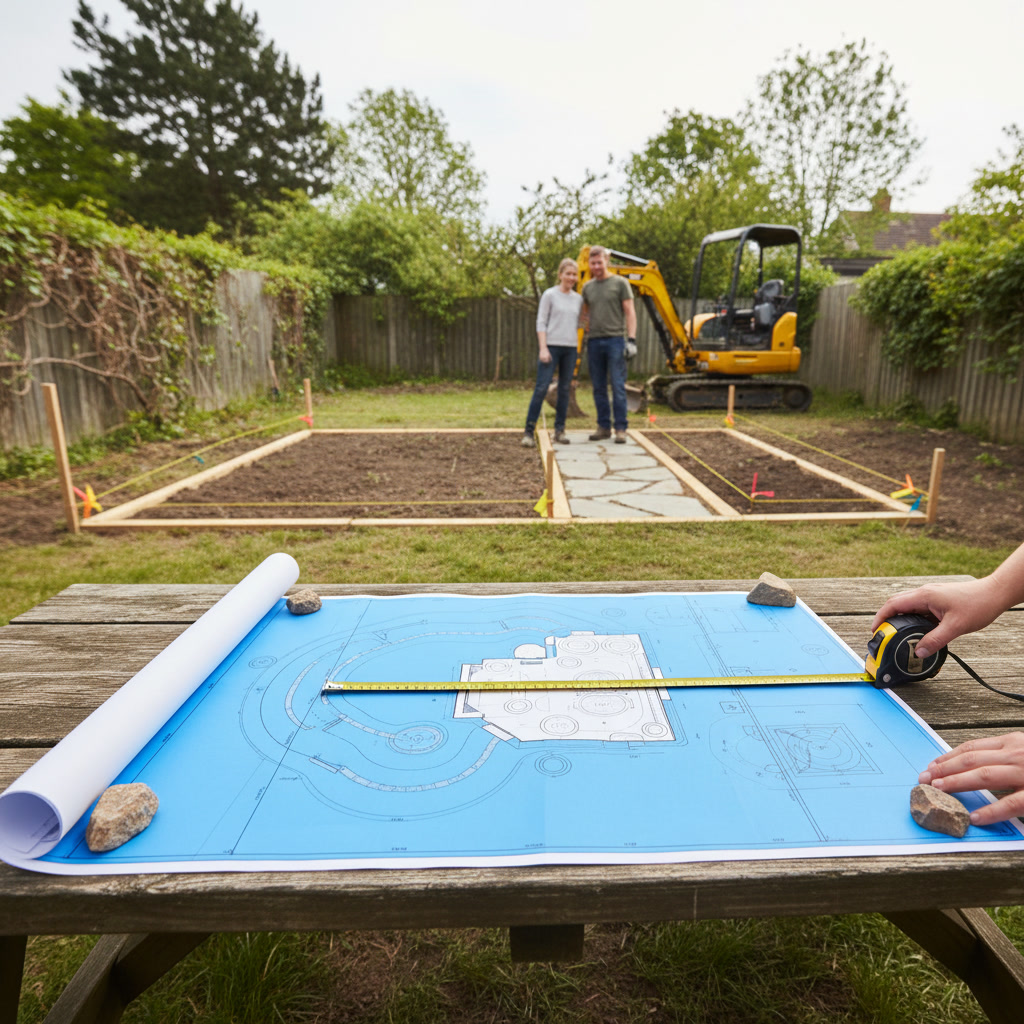
Successful small yard transformations begin with accurate measurements and honest assessments of how you’ll actually use the space. Families with children need different solutions than couples seeking a quiet retreat. Document sun patterns throughout the day, note drainage issues, and identify existing features worth preserving.
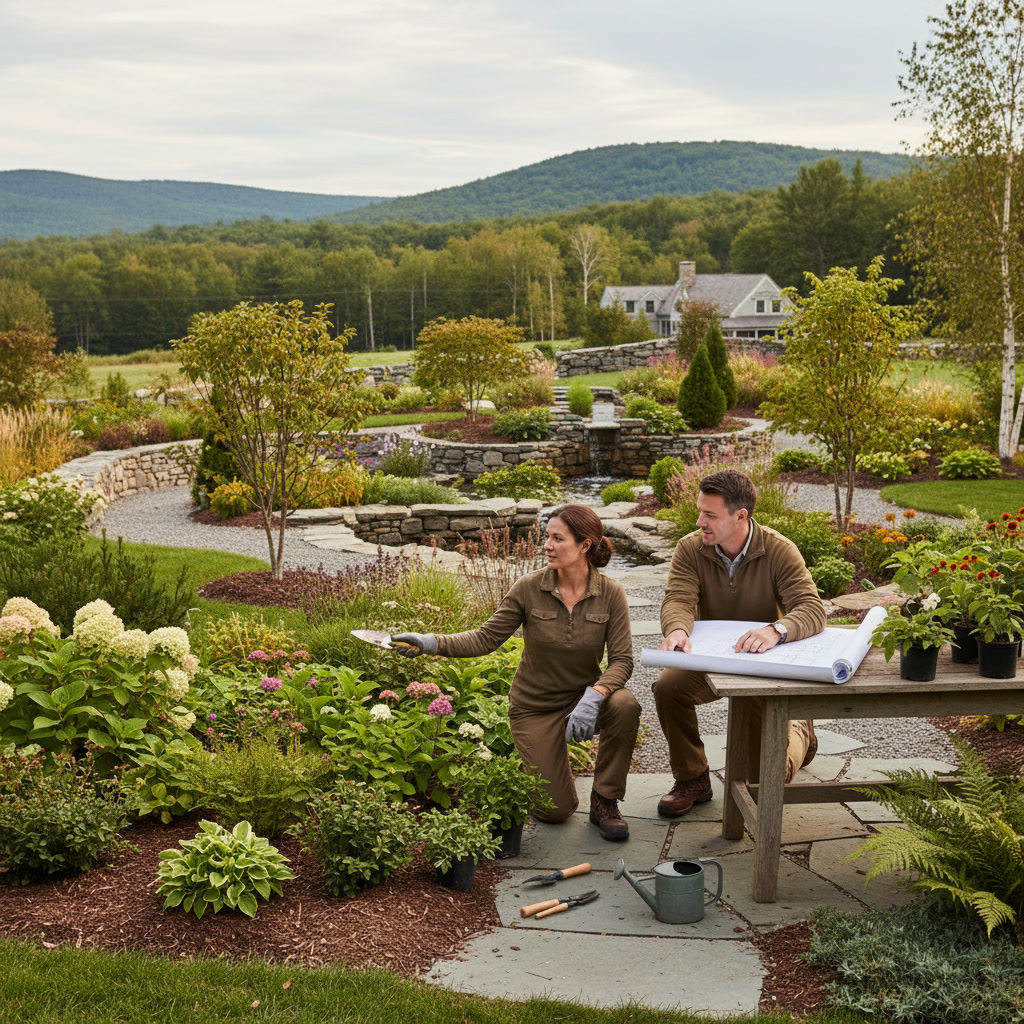
Sketch multiple layout options before committing to any single plan. Professional landscaping and design services bring experience with spatial challenges and can spot problems that aren’t obvious to homeowners. They’ll also ensure grading, drainage, and structural elements meet local codes.
Vertical Solutions That Add Function Without Footprint
When ground space runs short, building upward opens new possibilities. Vertical gardens on fences or walls add greenery without consuming precious square footage. Trellises with climbing plants create natural privacy screens while keeping the ground clear for seating or pathways.
Raised planters serve triple duty by defining zones, providing seating edges, and elevating plants to eye level where they make bigger visual impact. Tall, narrow trees like columnar hornbeams or sky pencil hollies add height and structure without the spreading canopy that shades out smaller yards.
Multi-Level Design Creates the Illusion of More Space
A single flat plane makes small yards feel smaller. Introducing elevation changes through raised beds, sunken seating areas, or terraced sections creates distinct zones that make the space feel larger and more complex. Even a six-inch change in level signals a transition from one area to another.
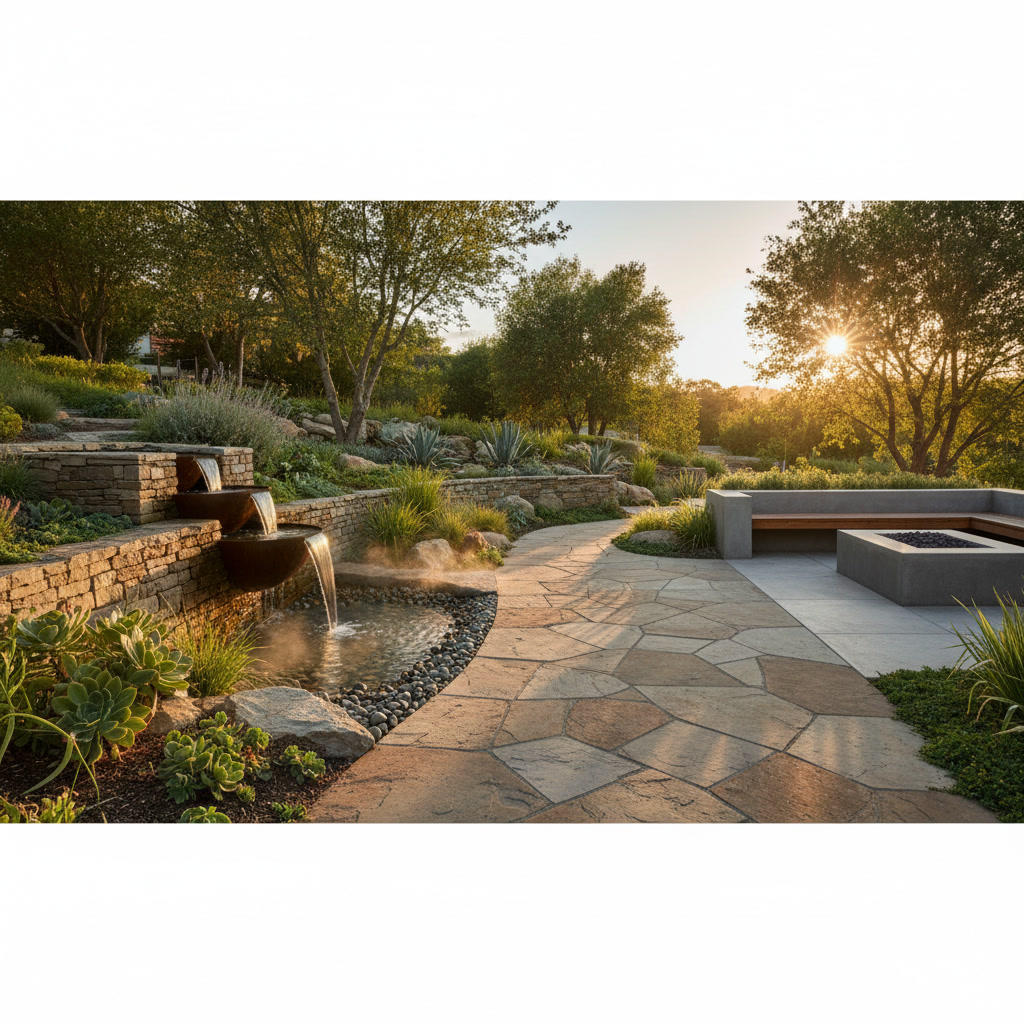
Retaining walls do more than hold back soil. They create planting opportunities at multiple heights, provide built-in seating, and add architectural interest. In sloped yards, they transform unusable hillside into functional terraces.
Hardscaping Materials and Patterns in Essex County Properties
Material choices dramatically affect how spacious a small yard feels. Light-colored pavers reflect more light and create an open feeling, while dark materials can make spaces feel enclosed. Uniform materials create visual continuity, but too much sameness feels monotonous.
Pattern direction matters more than most homeowners realize. Running pavers or deck boards perpendicular to the house draws the eye outward and makes narrow yards feel wider. Diagonal patterns add visual interest and disguise awkward proportions. For properties across the region, choosing weather-resistant materials ensures your investment lasts through harsh winters and humid summers.
Five Essential Features That Maximize Small Yard Function
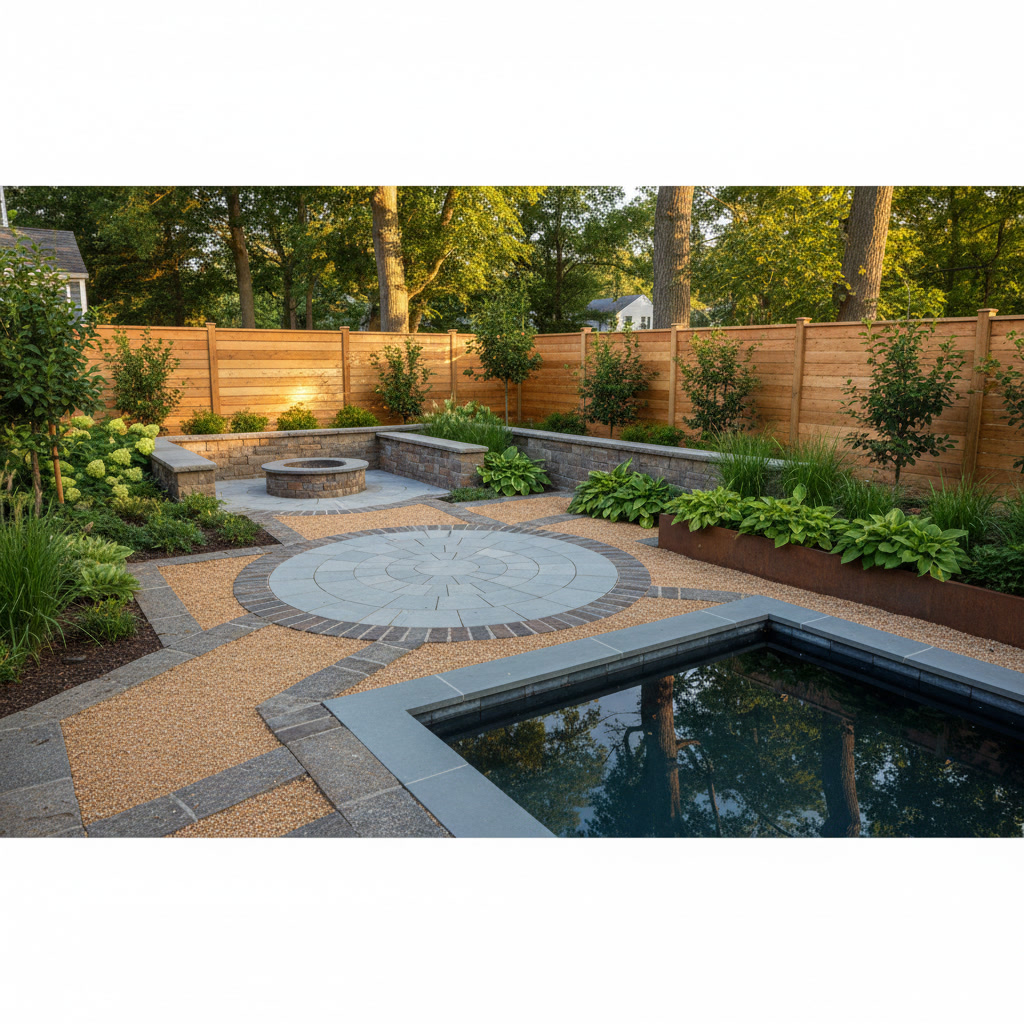
Not every backyard needs every feature. Focus on elements that match your lifestyle and maintain proper proportions for the space available.
Compact Patio Zones
A 10×12 foot patio comfortably seats four to six people and leaves room for a small grill. Patios and walkways should flow naturally without sharp corners that interrupt movement. Irregular shapes often work better than rigid rectangles in small spaces.
Built-In Seating
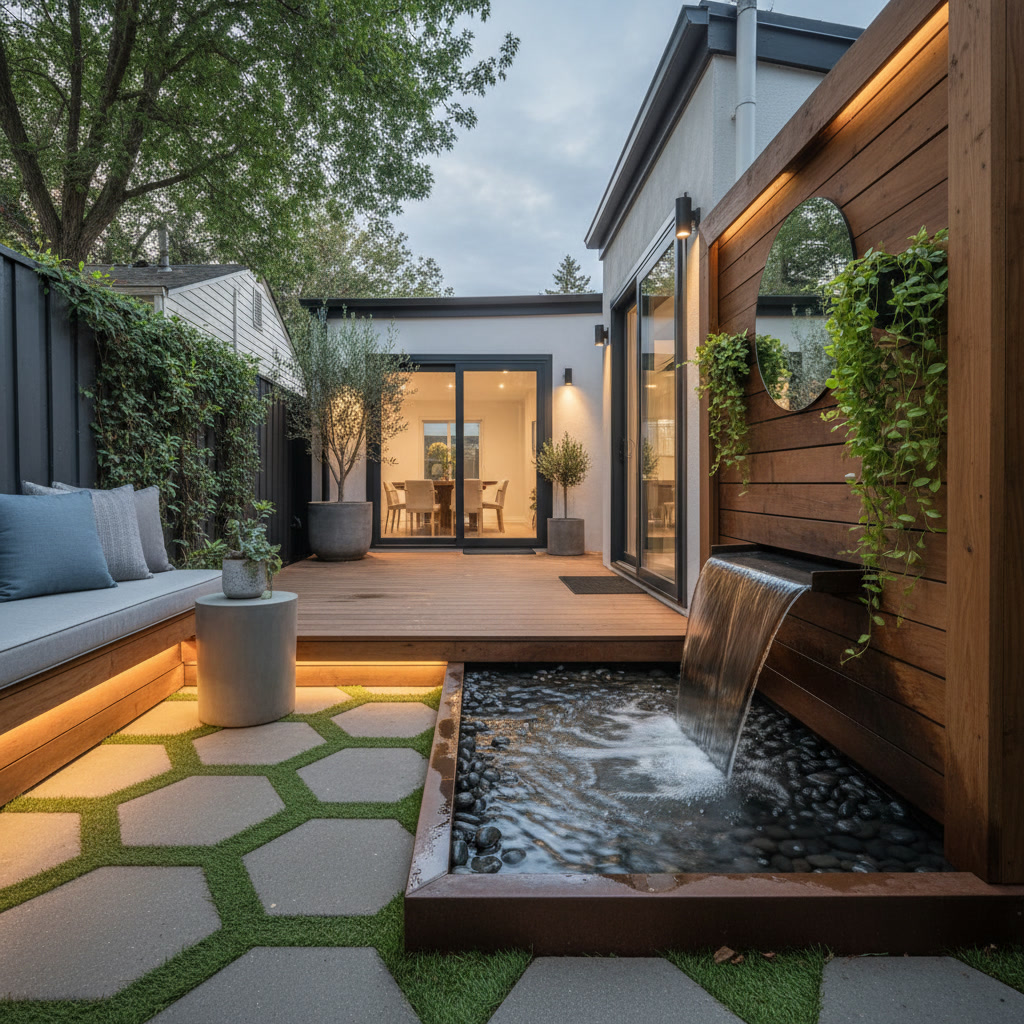
Permanent bench seating along walls or integrated into retaining structures eliminates the need for bulky furniture. Add cushions for comfort but skip the space-hogging lounge chairs. Built-in solutions provide seating without the visual clutter of scattered furniture.
Strategic Fencing
The right fencing creates privacy without making spaces feel boxed in. Horizontal slat fences feel more open than solid panels. Mixing fence heights adds visual interest, keeping taller sections where privacy matters most and shorter panels where openness is preferred.
Layered Planting Beds
Instead of scattered individual plants, create dense layered beds with tall plants in back, medium in middle, and ground covers in front. This approach uses vertical space efficiently and creates a lush feel without sprawling across the yard. Choose plants with multiple seasons of interest to maximize visual impact year-round.
Integrated Lighting
Low-voltage path lights, uplighting on specimen trees, and subtle wall sconces extend usability after dark. Proper lighting also makes spaces feel larger by eliminating dark corners and highlighting depth.
Water Features Sized for Compact Spaces
A babbling fountain or small wall-mounted water feature adds soothing sound that masks neighborhood noise without consuming floor space. Wall fountains work particularly well in courtyards or against blank fence sections. Avoid pond features in very small yards as they require surrounding clearance and can dominate limited space.
Pondless waterfalls tucked into corner planting beds offer the movement and sound of water without the maintenance or space requirements of traditional ponds. The recirculating pump sits underground in a gravel basin, invisible but effective.
Color and Texture Strategies That Expand Visual Space
Cool colors like blues, purples, and silvers recede visually, making backgrounds feel farther away. Plant these at the back of your yard to increase perceived depth. Warm colors like reds, oranges, and yellows advance visually, so place them closer to the house or in foreground positions.
Repeating certain plants or materials throughout the space creates rhythm and unity. Too many different varieties create visual chaos that makes small spaces feel cluttered. Stick to a palette of five to seven plant varieties for cohesion.
Storage Solutions That Don’t Sacrifice Aesthetics
Garden tools, cushions, and equipment need homes that don’t clutter the visual field. Custom storage benches provide seating on top and storage below. Vertical sheds with footprints as small as 2×4 feet tuck against fences or house walls while storing surprising amounts.
Built-in planters with hidden compartments keep hoses and small tools accessible but invisible. Some homeowners incorporate storage into steps and stairs, creating pull-out drawers beneath treads.
Maintenance Considerations for Long-Term Success
Small yards show neglect quickly. A few weeds or overgrown shrubs have outsized visual impact. Choose low-maintenance plantings that hold their shape without constant pruning. Native perennials adapted to your specific conditions require less intervention than finicky exotics.
Mulch installation suppresses weeds and gives beds a finished look with minimal ongoing work. Refresh mulch annually to maintain appearance and effectiveness.
Automated irrigation systems keep plantings healthy without daily attention. In small spaces, drip irrigation delivers water efficiently to plant roots without overspray onto hardscaping.
Bringing Your Small Backyard Vision to Life
Transforming a compact yard into a functional outdoor living space requires careful planning, smart material choices, and an understanding of how design elements interact in limited square footage. Vertical solutions, multi-level layouts, and properly scaled features turn constraints into opportunities for creative design that feels both spacious and intimate.
D.S. Landscaping & Construction specializes in maximizing the potential of properties throughout the region, bringing expertise in both landscape design and hardscape construction to create cohesive outdoor spaces. Whether your property needs hardscape features, thoughtful planting design, or structural elements like walls and patios, professional guidance ensures every decision supports your vision and budget. Contact our team at +19787892087 to discuss how we can transform your small backyard into the outdoor living space you’ve been imagining.