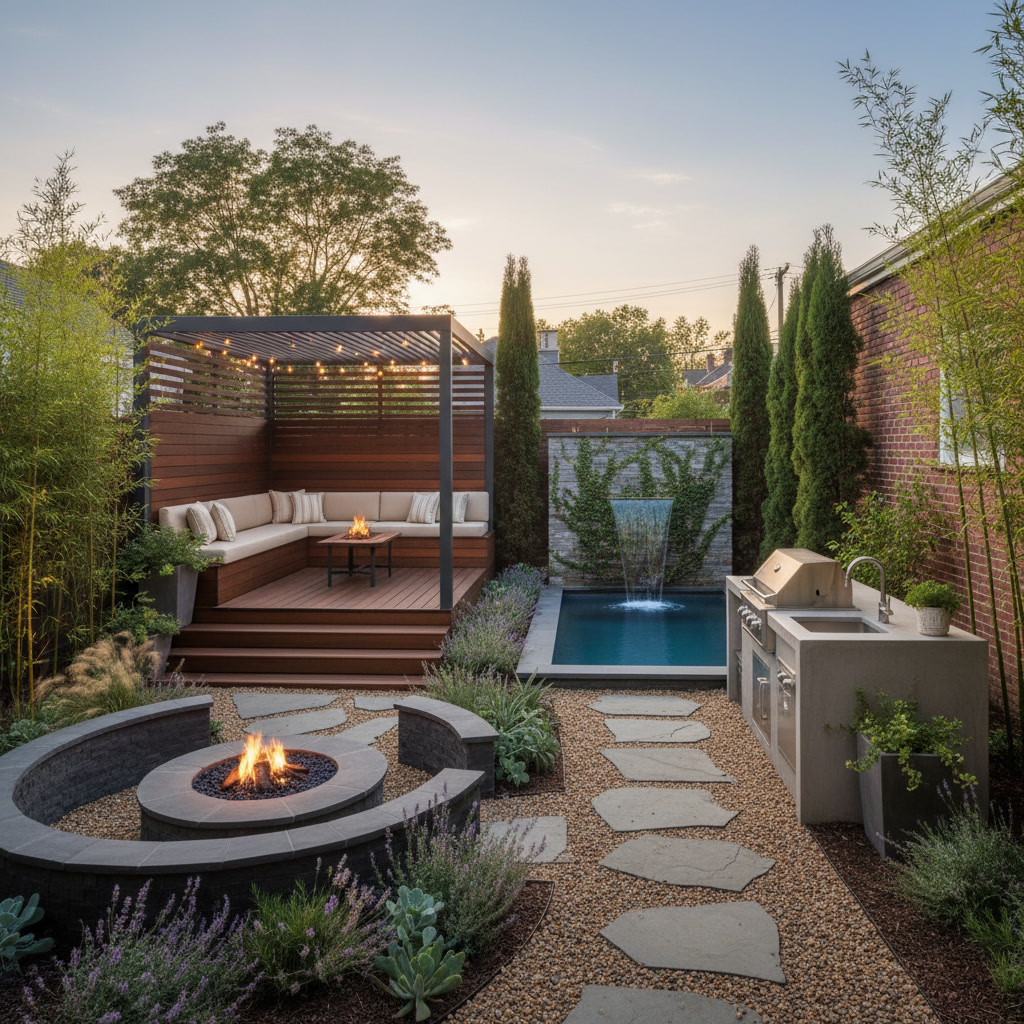
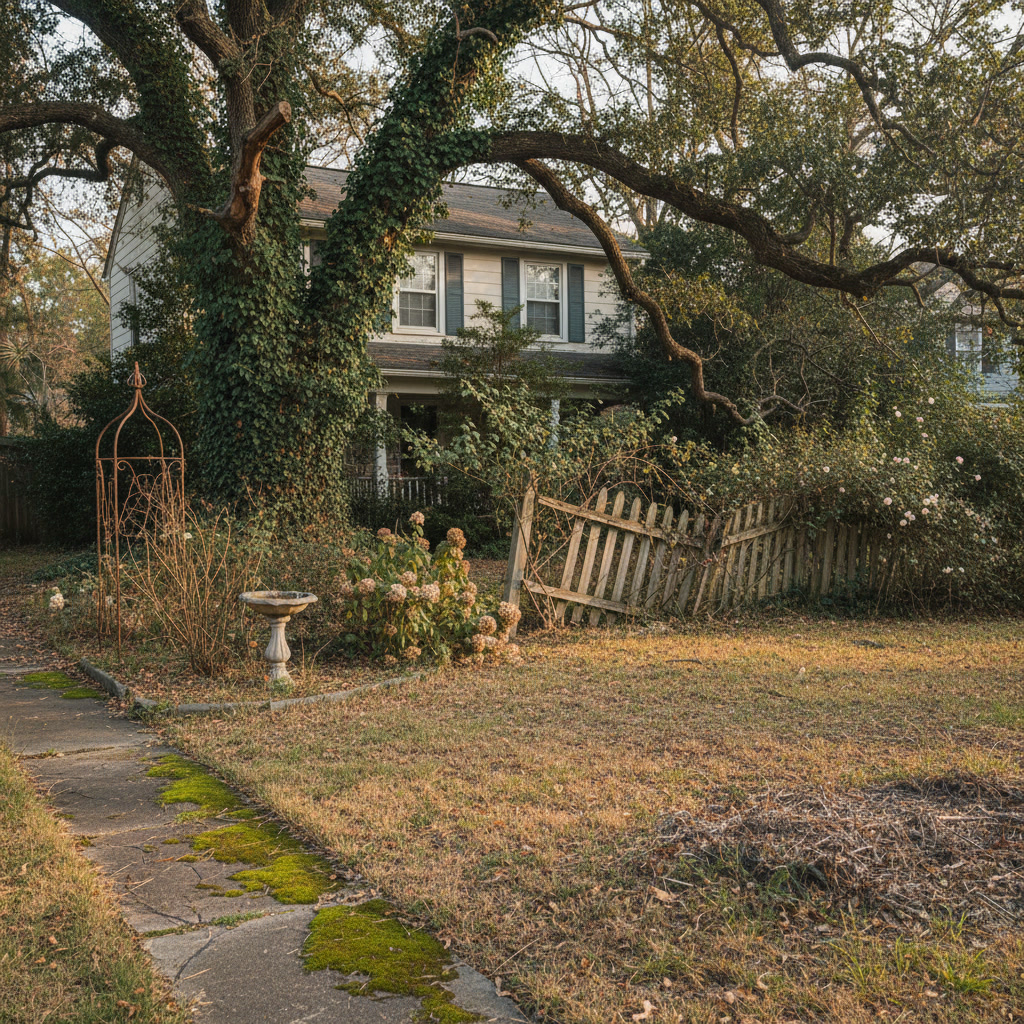
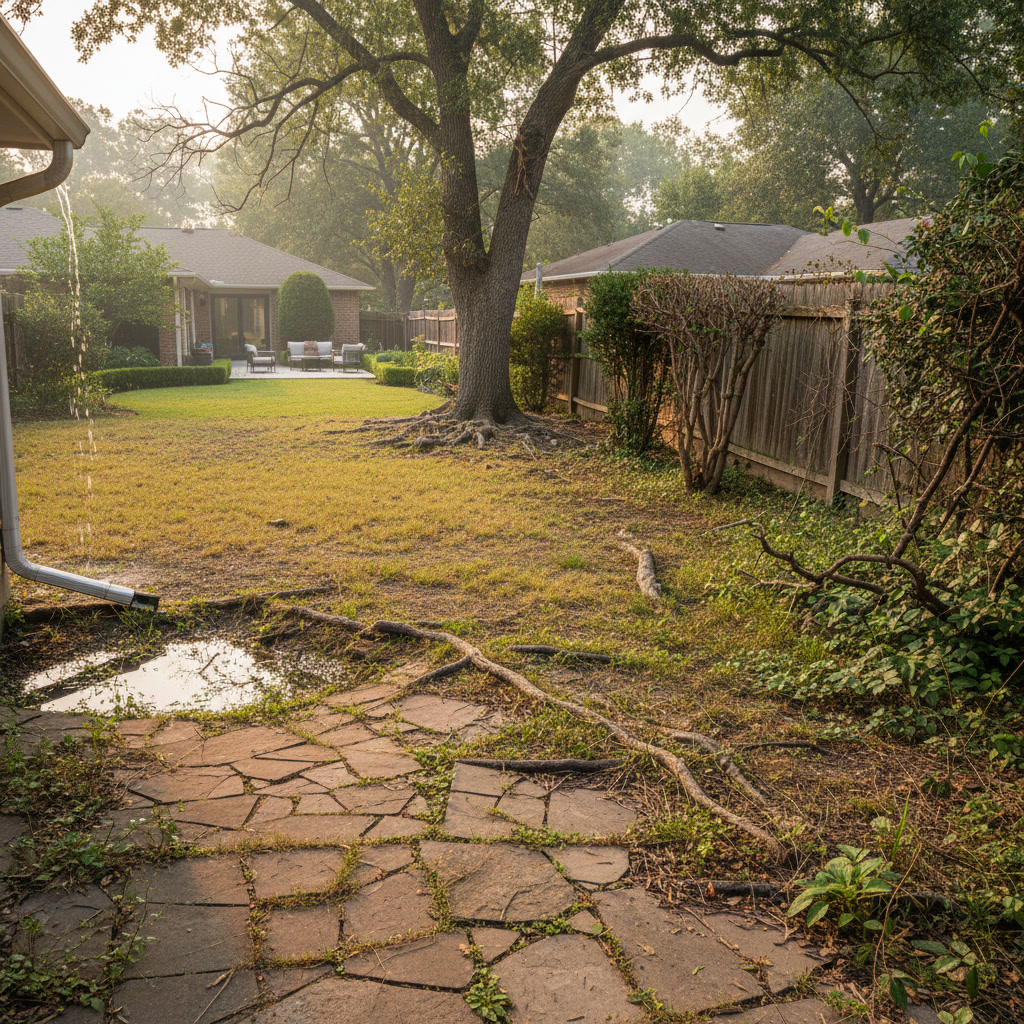
Your outdoor space should enhance your property’s beauty and functionality, but over time, even well-maintained yards show signs of decline. Common indicators that your property requires professional attention include persistent drainage problems, overgrown or dying plants, outdated design elements, and hardscape features showing significant wear. Recognizing these signs need landscape redesign early helps prevent costly repairs and restores your property’s curb appeal before problems worsen.
Understanding Why Landscapes Decline Over Time
Every landscape experiences natural aging. Trees mature and create shade where sun-loving plants once thrived. Soil compacts from foot traffic and loses nutrients. Seasonal weather cycles cause concrete to crack and pavers to shift. What worked perfectly 10 or 15 years ago may no longer suit your property’s current conditions or your lifestyle needs.
Property changes also drive the need for redesign. Perhaps you’ve added a pool, expanded your home, or watch your children outgrow the play area that once dominated your backyard. These transitions create opportunities to reimagine your outdoor environment with fresh eyes and updated goals.
When Your Property’s Foundation and Structure Show Distress
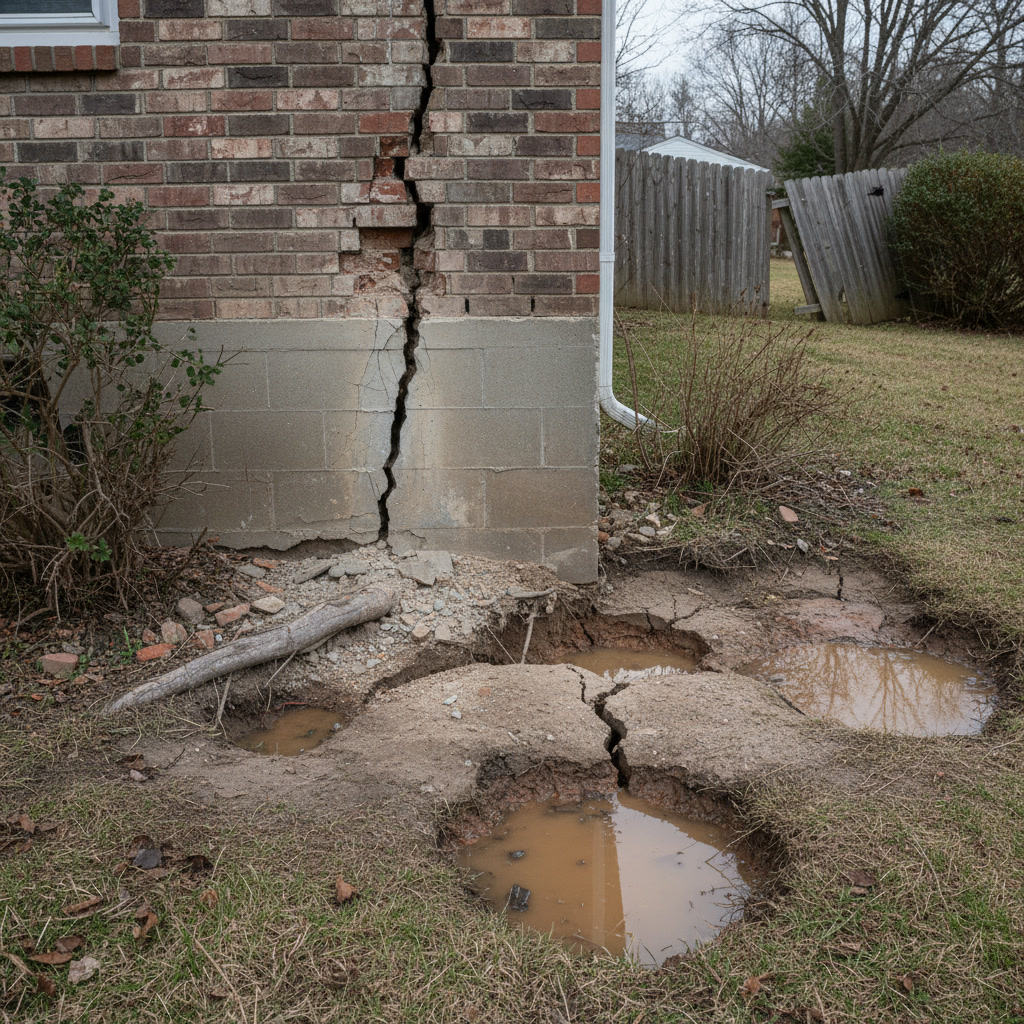
Foundation issues often appear first in your landscape. Water pooling near your home’s base, cracks in foundation walls, or basement moisture problems signal improper grading or failed drainage systems. These aren’t cosmetic concerns but structural threats requiring immediate professional assessment.
Retaining walls that lean, bulge, or show separation between blocks indicate serious failure. Most retaining walls built without proper drainage systems or adequate base preparation fail within 10 to 15 years. Addressing these problems early prevents collapse and protects structures downslope.
Persistent Drainage Problems That Never Resolve
Standing water 24 hours after rainfall indicates poor grading or compacted soil. You might notice muddy patches that remain soggy for days, water flowing toward your foundation instead of away from it, or erosion channels cutting through lawn and garden beds.
Drainage issues compound over time. That small puddle becomes a breeding ground for mosquitoes and creates dead zones where grass won’t grow. Erosion exposes tree roots and washes away topsoil you’ve invested in over years. Professional landscaping design addresses these problems with proper grading, drainage systems, and strategic plantings that manage water flow.
Overgrown or Dying Plants Dominating Your Space
Foundation plantings that block windows or brush against siding have outgrown their intended purpose. Shrubs planted three feet apart now merge into impenetrable masses. Trees that were small ornamentals now tower over power lines or drop branches on your roof.
Conversely, you might face declining plants that never recovered from harsh winters, pest damage, or soil depletion. Brown patches spread through once-lush beds. Perennials that bloomed reliably for years produce fewer flowers or disappear entirely. These changes often reflect soil pH shifts, drainage alterations from nearby construction, or increased shade as trees mature.
Outdated Hardscape Materials and Deteriorating Features
Cracked concrete patios, sunken pavers, and stained decking not only look shabby but pose safety hazards. Concrete typically shows significant cracking after 20 to 25 years in New England’s freeze-thaw cycles. Brick pavers installed without proper edge restraints shift and create tripping hazards.
Weathered wood structures demand constant maintenance. If you’re staining your deck every two years and replacing boards regularly, transitioning to stone or composite materials eliminates recurring costs. Modern patio and walkway materials offer superior durability with minimal upkeep requirements.
Comparing Quick Fixes vs. Complete Redesign
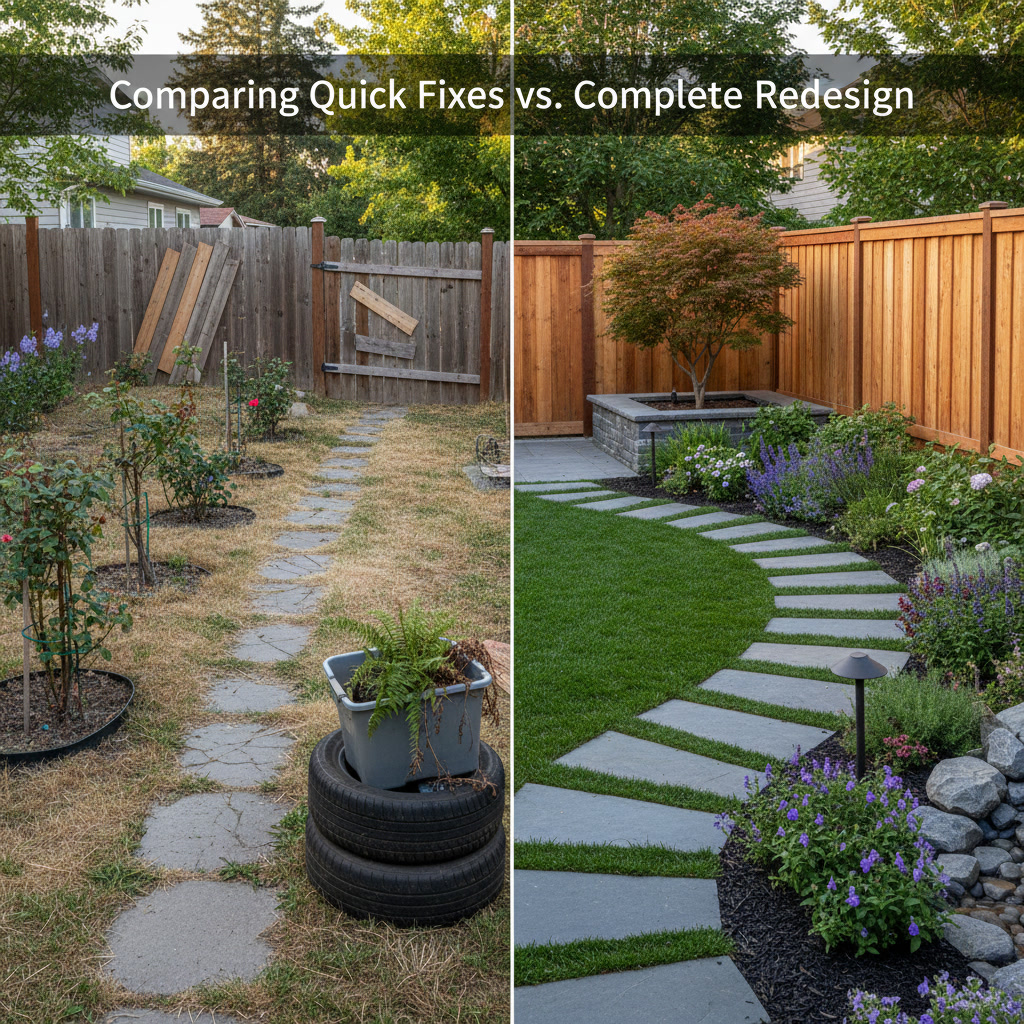
Homeowners often attempt temporary repairs, patching cracks, adding topsoil to low spots, or replacing individual plants. While these efforts provide short-term relief, they rarely address underlying problems. Here’s how patch repairs compare to comprehensive redesign:
Patch Repairs: Cost less initially, provide immediate visible improvement, but treat symptoms rather than causes. You’ll likely repeat the same repairs every few years as problems persist or worsen.
Complete Redesign: Requires larger upfront investment but solves root causes. Proper grading eliminates drainage problems permanently. Updated plant selections suit current site conditions. Quality hardscape materials last decades without significant maintenance. The investment pays back through eliminated recurring costs and increased property value.
A professional assessment helps determine which approach suits your situation. Sometimes strategic updates to specific problem areas provide excellent results without full-scale renovation.
Safety Hazards That Demand Immediate Attention
Uneven walking surfaces cause falls, particularly for elderly family members or guests unfamiliar with your property. Sunken pavers, protruding tree roots across pathways, and deteriorated steps create liability risks beyond aesthetic concerns.
Poor lighting compounds these hazards after dark. Shadows hide obstacles and make navigation treacherous. Modern landscape designs incorporate low-voltage LED lighting that enhances safety while showcasing your property’s best features year-round.
When Your Yard No Longer Matches Your Lifestyle in Essex County
Life changes drive landscape needs. Empty nesters converting play areas into entertainment spaces, growing families needing outdoor living areas, or homeowners embracing low-maintenance gardens all benefit from thoughtful redesign.
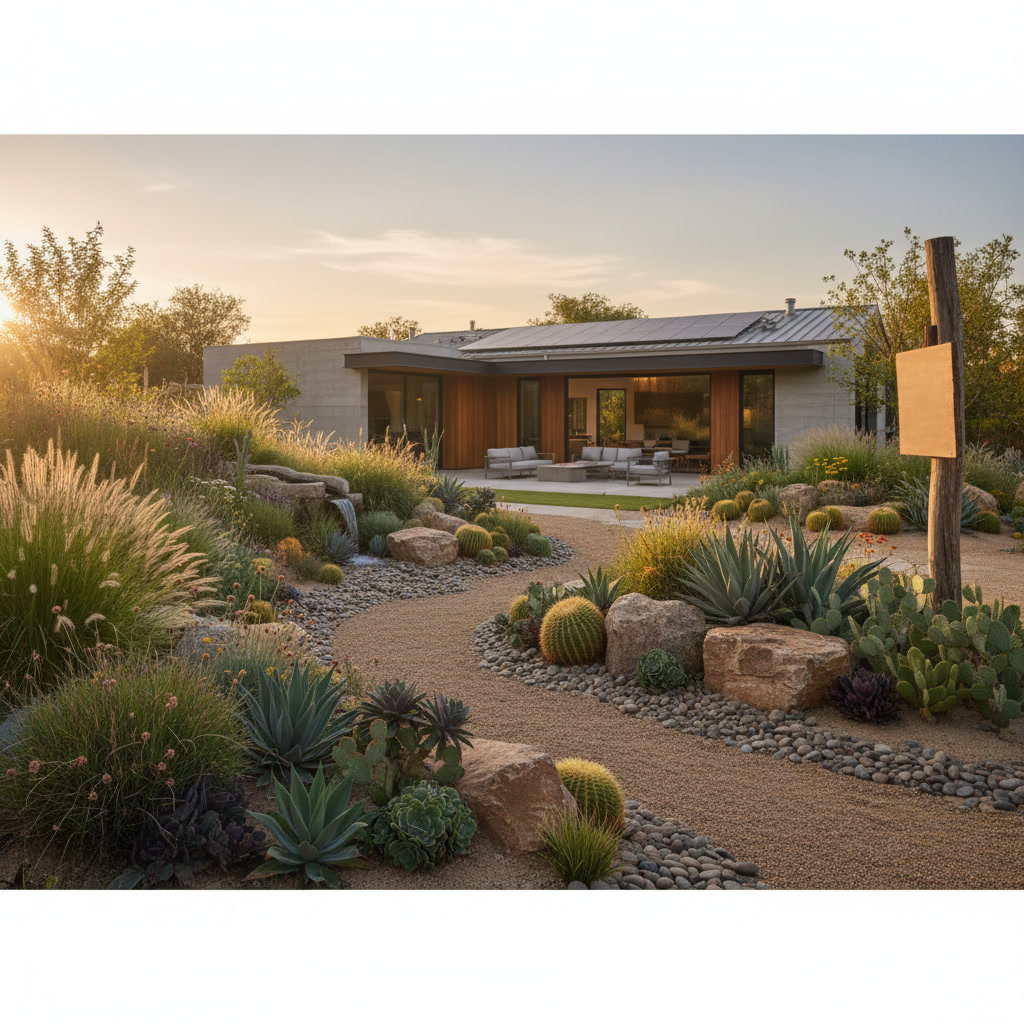
Climate adaptations also matter. Extended droughts and intense storms have become more common across Essex County, favoring native plants and efficient irrigation over high-maintenance lawns. Professional designers create resilient landscapes that thrive despite weather extremes while reducing water consumption and maintenance time.
Curb Appeal That Fails to Reflect Your Home’s Value
Your landscape forms visitors’ first impression. An outdated or neglected yard diminishes your home’s perceived value, even if interior spaces are immaculate. Real estate professionals consistently cite landscaping among the top factors influencing buyer interest and final sale prices.
Specific improvements deliver measurable returns. Quality hardscape features like stone walls, professional-grade patios, and custom walkways typically return 70 to 80 percent of their cost at resale. Well-designed plantings that frame your home’s architecture and provide four-season interest make your property memorable in competitive markets.
Environmental Factors Requiring Professional Solutions
Erosion, invasive species, and compacted soil represent environmental challenges beyond typical homeowner expertise. Erosion control requires understanding soil types, slope calculations, and appropriate stabilization techniques. Simply throwing down grass seed on a slope rarely succeeds without proper soil preparation and erosion blankets.
Invasive plants like Japanese knotweed, bittersweet, and multiflora rose spread aggressively and crowd out desirable species. Effective removal requires persistent effort and knowledge of each species’ growth patterns. Professional tree services can assess which specimens merit preservation and which threaten your property or native ecosystems.
Budget Considerations and Long-Term Value
Landscape redesign represents a significant investment, but breaking projects into phases makes comprehensive improvements accessible. Priority-based planning addresses urgent issues first, then builds remaining elements as budget allows. This approach maintains design cohesion while spreading costs across multiple seasons.
Quality materials and professional installation cost more initially but deliver superior longevity. Choosing natural stone over concrete pavers, for example, adds 20 to 30 percent to project costs but provides a lifetime of service with minimal maintenance. Understanding material costs and durability helps balance immediate expenses against long-term value.
Creating Outdoor Spaces That Enhance Daily Living
Your yard should function as an extension of your indoor living space, not just decorative background. Thoughtful design creates defined areas for dining, relaxation, gardening, and play. Professional designers consider traffic patterns, sun exposure throughout the day, privacy from neighbors, and seasonal use when developing layout plans.
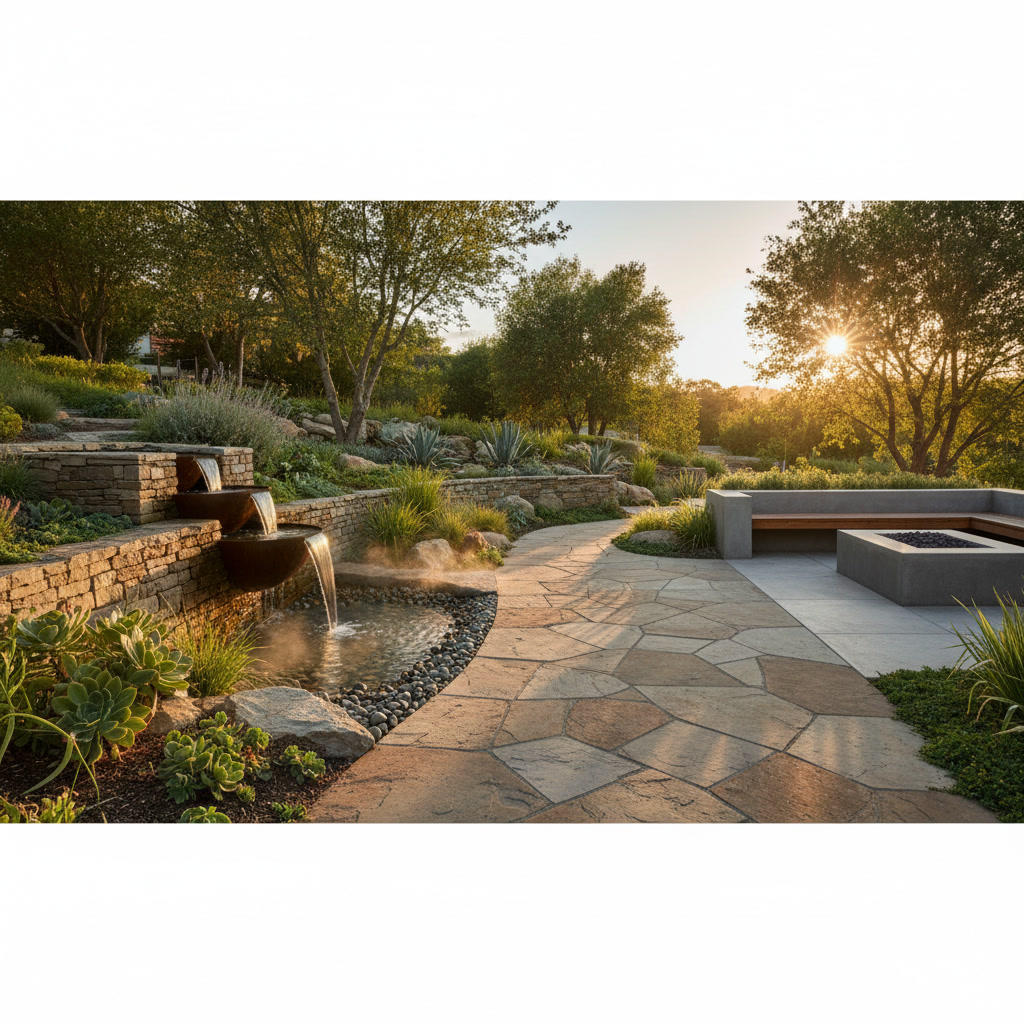
Modern landscapes integrate sustainable practices without sacrificing beauty. Rain gardens manage stormwater while providing habitat for pollinators. Permeable pavers reduce runoff. Native plant selections support local wildlife and require less irrigation and chemical intervention than traditional ornamentals. These features align environmental responsibility with practical benefits and reduced maintenance demands.
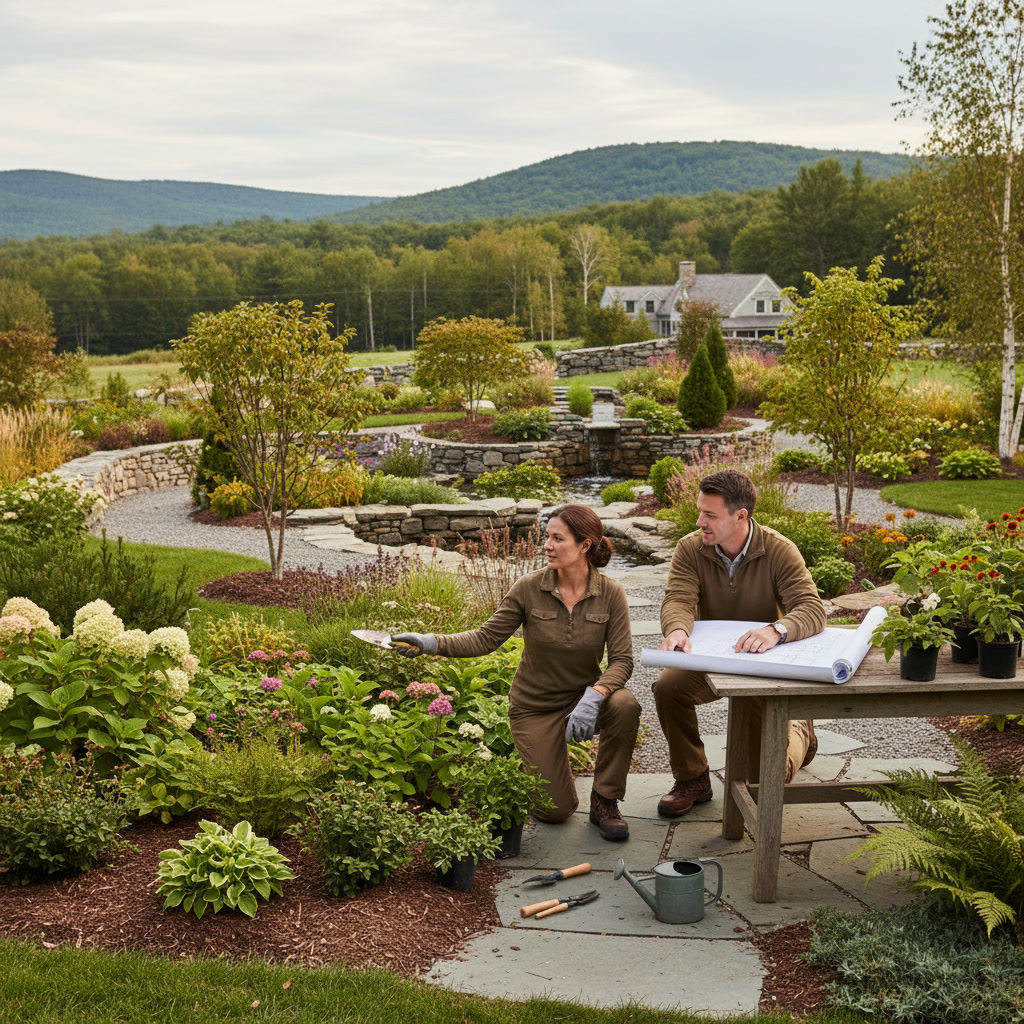
D.S. Landscaping & Construction specializes in transforming outdoor spaces across Essex County with designs that balance aesthetic appeal, functionality, and long-term durability. Whether you’re addressing specific problem areas or envisioning a complete property transformation, professional assessment identifies opportunities and solutions tailored to your property’s unique characteristics and your family’s lifestyle needs.
Ready to transform your outdoor space? Contact D.S. Landscaping & Construction at +19787892087 to schedule a consultation and discover how professional design can solve your landscape challenges while creating the outdoor environment you’ve envisioned.