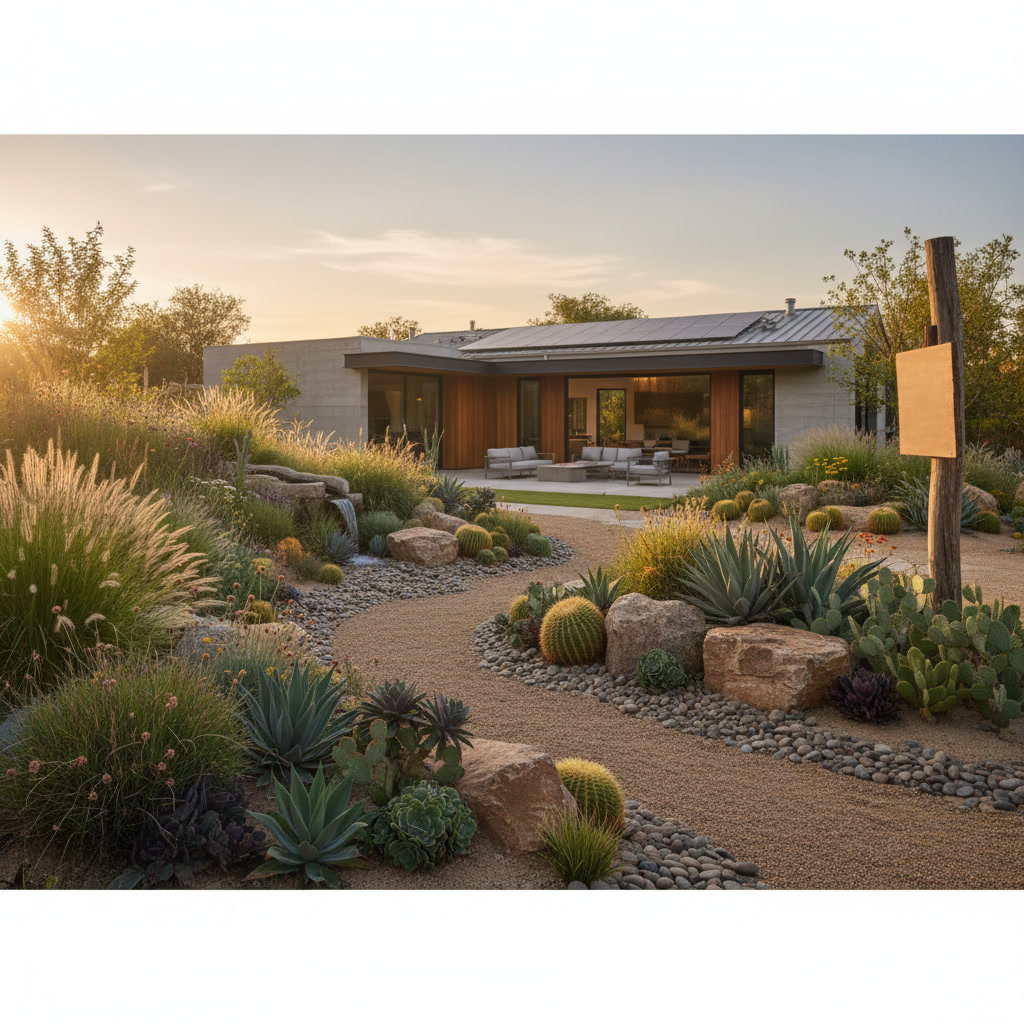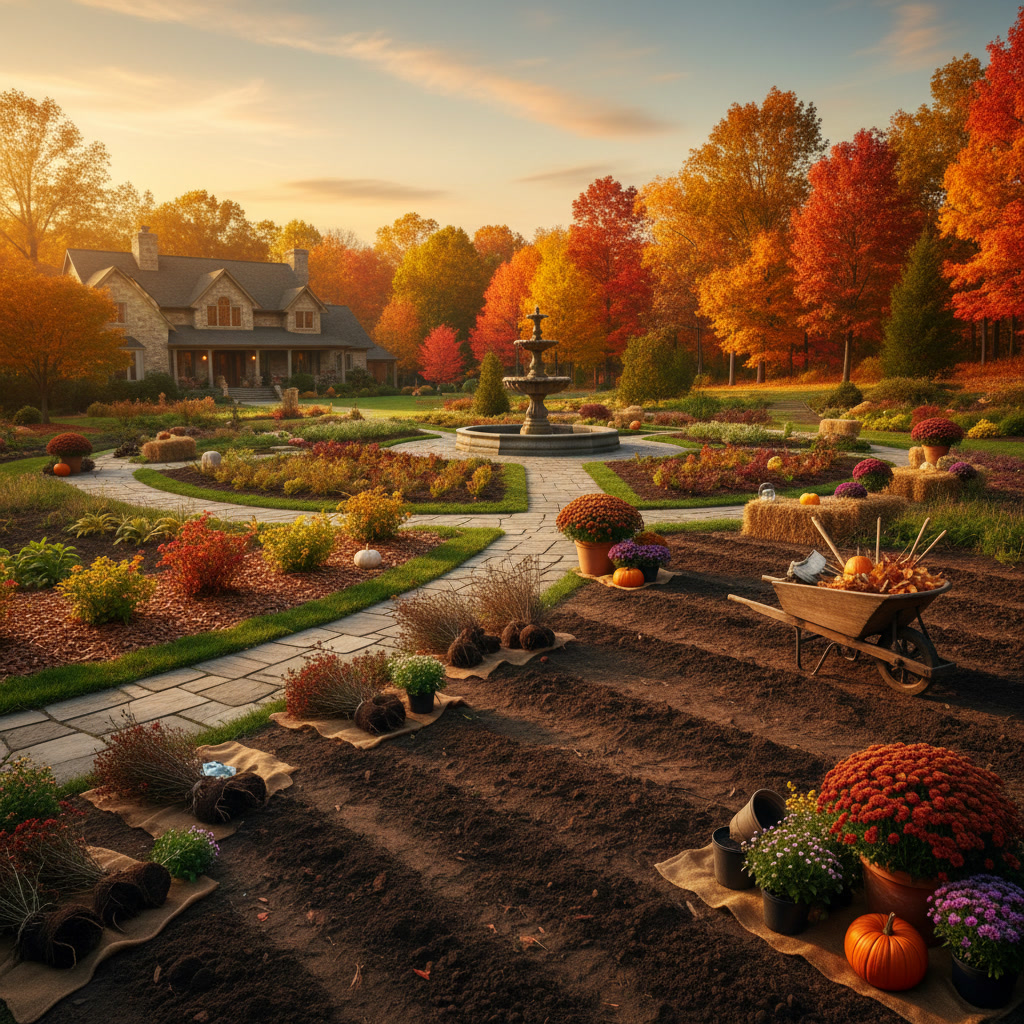
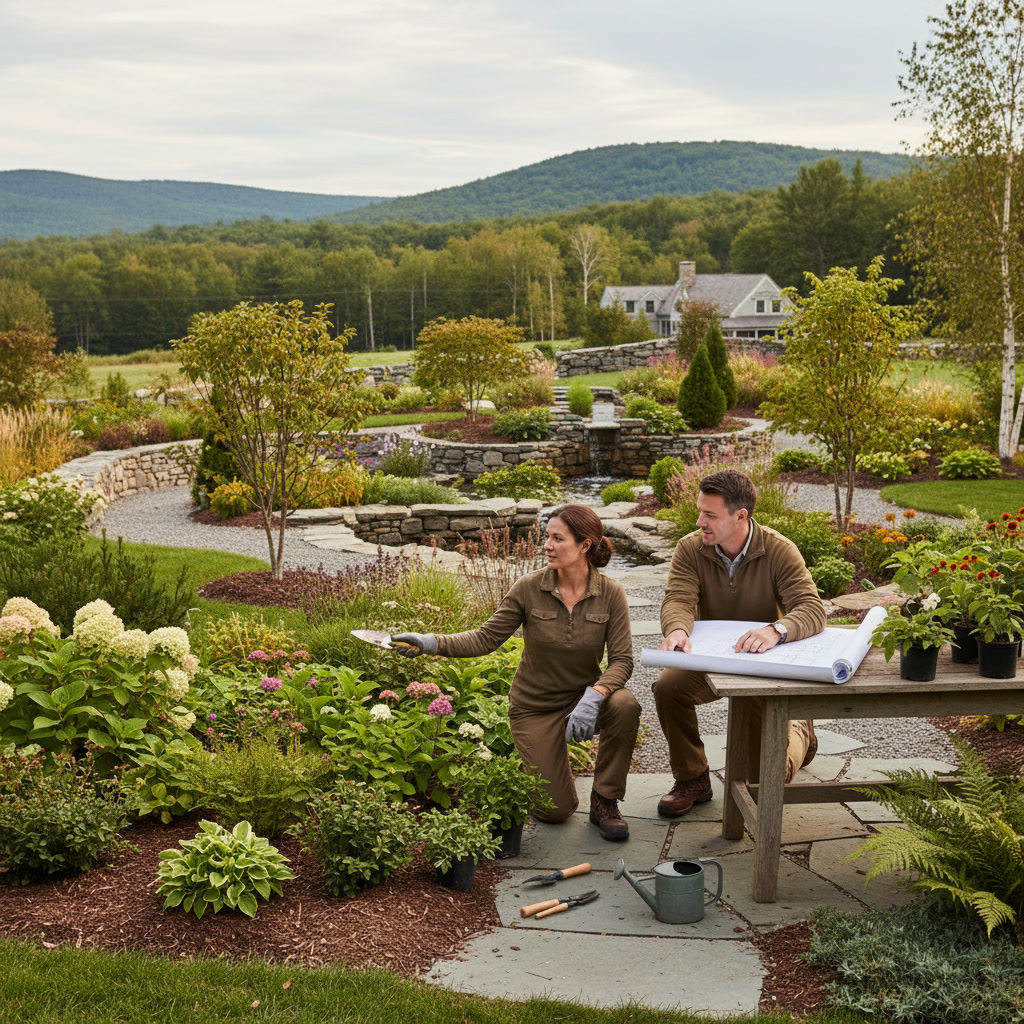
Professional landscape designers in New England follow a methodical process when choosing plants landscape design that will survive harsh winters, humid summers, and unpredictable spring weather. The selection process balances hardiness zones, soil conditions, sunlight exposure, and aesthetic goals to create landscapes that thrive for decades. Understanding how designers make these choices helps property owners appreciate the science and artistry behind successful plantings.
Why New England Requires a Different Plant Selection Strategy
The northeastern climate presents unique challenges that demand specialized knowledge. New England experiences temperature swings from below zero in January to above 90 degrees in July, creating stress that eliminates plants thriving in more temperate regions. Salt exposure from winter roads, heavy snow loads, and clay-heavy soils add additional constraints that designers must navigate.
Most of Massachusetts falls within USDA hardiness zones 5b through 7a, meaning plants must survive minimum winter temperatures ranging from negative 15 to positive five degrees Fahrenheit. A designer who ignores these boundaries will create landscapes that look beautiful in June but fail by the following spring.
The Foundation: Understanding Hardiness Zones and Microclimates
Hardiness zones provide the starting point, but experienced designers dig deeper into site-specific microclimates. A south-facing wall reflects heat and creates a pocket that supports plants rated one zone warmer. Conversely, low-lying areas collect cold air and frost, requiring extra-hardy selections even if the general property sits in a milder zone.
Wind exposure matters significantly in coastal and open areas. Plants tolerant of salt spray and strong winds become essential along shorelines, while inland properties can support a broader palette. Designers assess each property individually rather than applying generic regional plant lists.
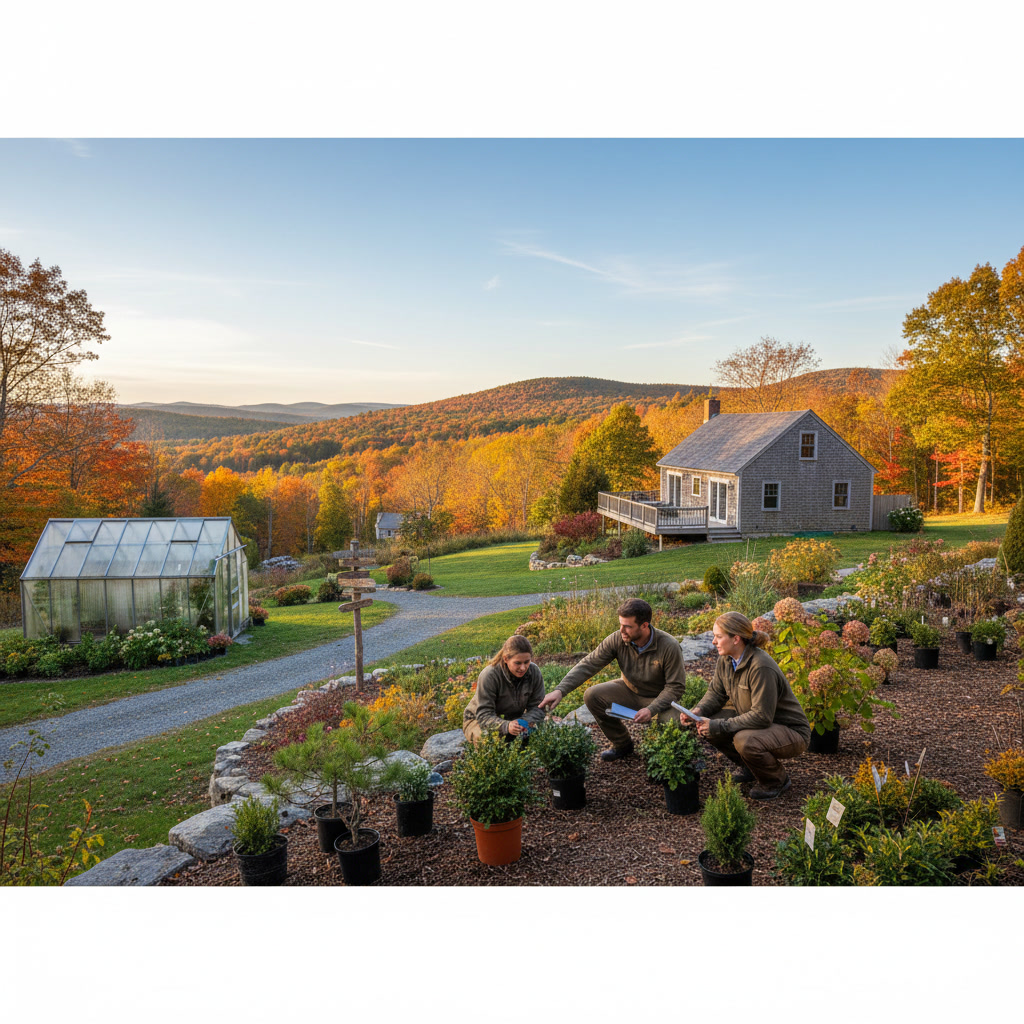
Soil Analysis Drives Plant Compatibility in Essex County
New England soils vary dramatically even within a single property. Glacial deposits left some areas with sandy, well-drained soil while others contain heavy clay that stays waterlogged. Professional designers conduct soil tests measuring pH, drainage, and nutrient levels before recommending specific plants.
Acid-loving plants like rhododendrons, azaleas, and blueberries excel in the naturally acidic soils common throughout the region. Plants requiring alkaline conditions struggle without soil amendment. Rather than fighting existing conditions, skilled designers match plants to the soil profile, reducing maintenance needs and improving long-term survival rates.
Evaluating Sunlight Patterns Throughout the Seasons
Sun exposure changes dramatically between June and December as the sun angle shifts. A location receiving full sun in summer might sit in shade during spring and fall when deciduous trees lack leaves. Designers visit properties multiple times or use sun-tracking tools to map actual light conditions across seasons.
This analysis determines whether shade-tolerant hostas and ferns belong in a space or whether sun-loving coneflowers and ornamental grasses will thrive. Mismatched light conditions cause plants to become leggy, fail to flower, or develop disease from excess moisture in shaded areas.
Selecting Plants by Growth Habit and Mature Size
One common mistake involves planting specimens that outgrow their intended space within a few years. Designers calculate mature heights and spreads, ensuring plants fit the design without constant pruning. A dwarf evergreen might reach only four feet tall, perfect near a window, while a standard variety of the same species grows to 15 feet and blocks views.
Growth habit also affects placement near hardscape features and structures. Spreading groundcovers work well along patios and walkways, while upright columnar plants suit narrow spaces between buildings. Root systems matter too, as aggressive roots damage foundations and utilities.
Balancing Native Species with Ornamental Varieties
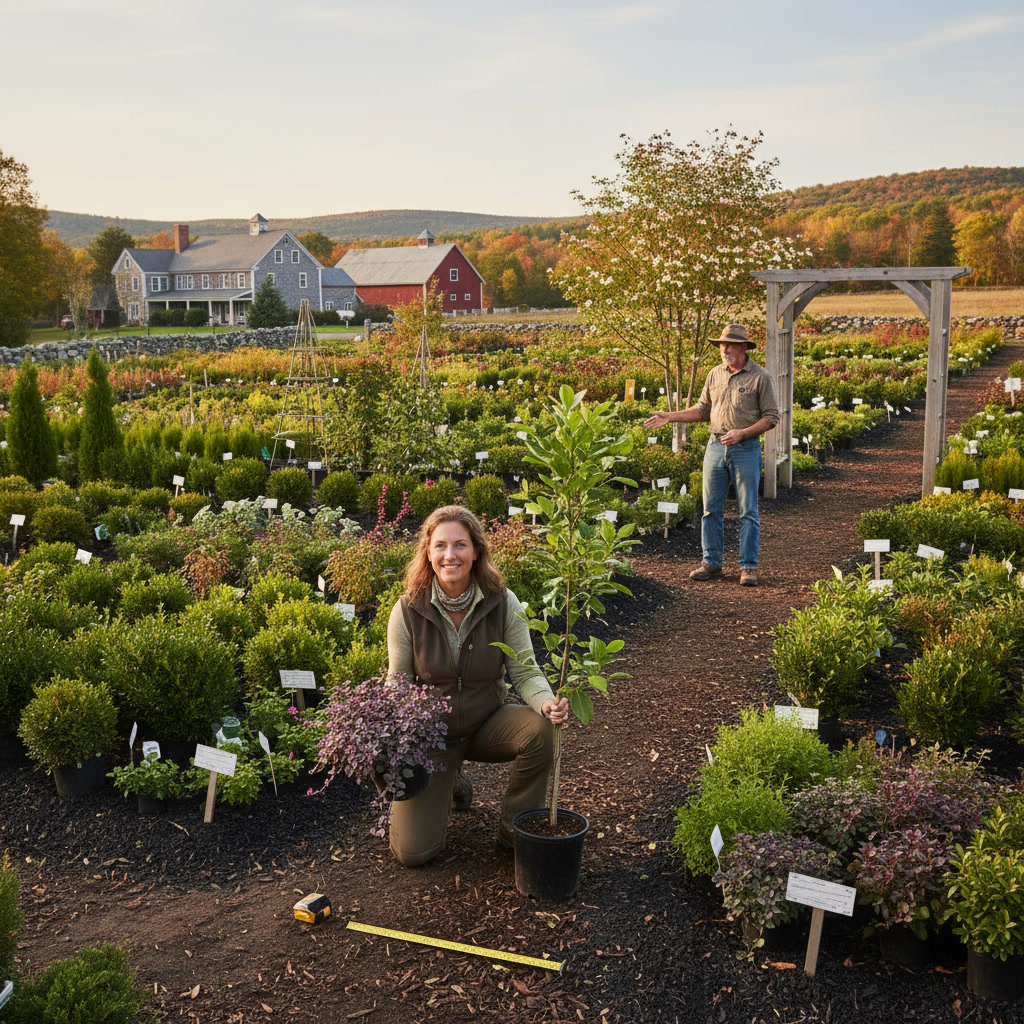
Native plants offer proven climate tolerance and support local ecosystems, but non-native ornamentals provide design flexibility and extended bloom periods. Experienced designers blend both categories strategically. Native serviceberry produces spring flowers and fall color while feeding birds, but a Japanese maple adds a sculptural element unavailable from regional species.
Natives generally require less water and fertilizer once established, making them practical choices for low-maintenance areas. However, claiming all natives automatically outperform cultivated varieties oversimplifies reality. Many popular ornamentals demonstrate excellent hardiness and disease resistance after decades of breeding improvements.
Four-Season Interest: Creating Year-Round Visual Appeal
New England landscapes can look stunning in October and barren by November without proper plant selection. Designers layer plants offering interest across all four seasons rather than focusing solely on summer blooms. This strategy might include:
- Spring flowering bulbs and early-blooming shrubs like forsythia
- Summer perennials with staggered bloom times from June through September
- Fall foliage from maples, burning bush, and ornamental grasses
- Winter structure from evergreens, ornamental bark, and persistent seedheads
Evergreens provide the backbone, maintaining visual weight when deciduous plants go dormant. A well-designed landscape includes roughly 30 to 40 percent evergreen material to prevent a completely bare appearance during winter months.
Water Requirements and Drainage Considerations
Grouping plants by water needs improves irrigation efficiency and plant health. Drought-tolerant species planted alongside moisture-loving varieties leads to overwatering one group or underwatering the other. Designers create hydrozones, clustering plants with similar requirements.
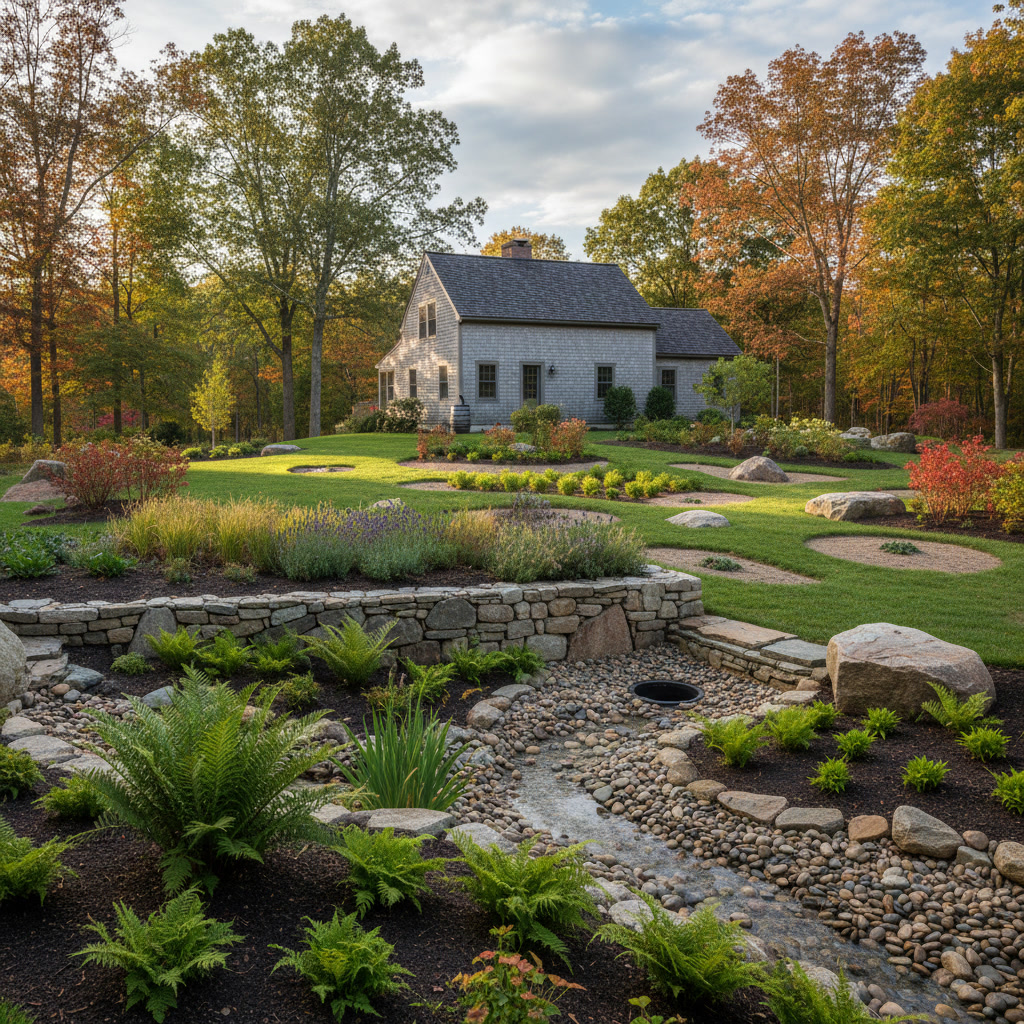
Drainage problems plague many New England properties, especially those with clay soils. Plants intolerant of wet feet develop root rot in poorly drained areas. Rather than installing expensive drainage systems, designers often specify plants that tolerate periodic saturation, such as river birch, winterberry, or Joe Pye weed.
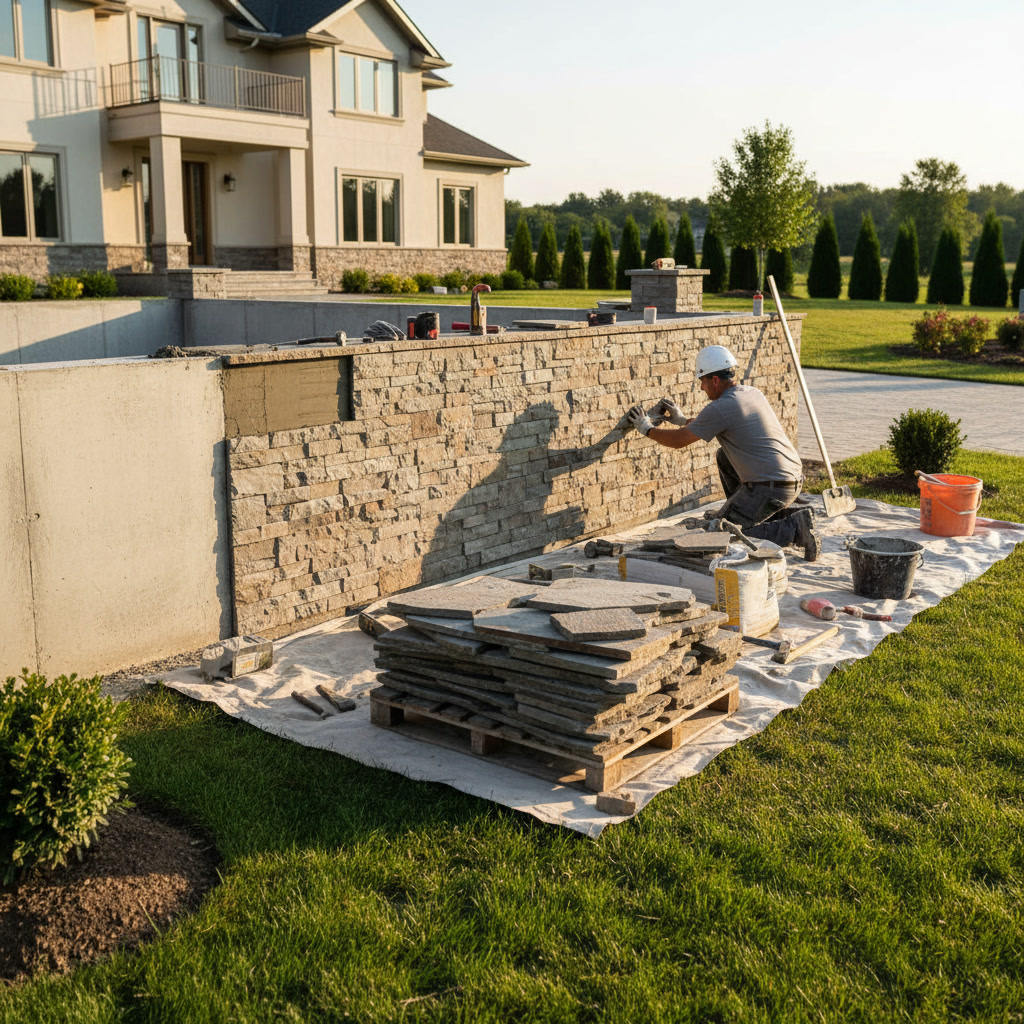
Slope and grading also influence plant selection near features like retaining walls, where water may collect or drain rapidly depending on construction.
Pest and Disease Resistance in Plant Selection
Certain plants invite problems in New England conditions. Susceptible varieties require constant chemical intervention or replacement every few years. Professional designers avoid known problem plants and select resistant cultivars instead.
For example, traditional lilac varieties suffer from powdery mildew in humid summers, but newer resistant cultivars remain healthy. Similarly, many crabapple varieties develop apple scab, while disease-resistant selections stay attractive without spraying. This knowledge comes from experience and staying current with horticultural research.
Deer pressure varies by location but causes significant damage in many areas. Designers working in deer-heavy regions prioritize unpalatable species or use susceptible plants only in protected locations near buildings or within fenced areas.
Maintenance Requirements Match Client Expectations
Plant selection must align with the maintenance level clients will realistically provide. High-maintenance perennials requiring deadheading, dividing, and staking suit enthusiastic gardeners but frustrate hands-off property owners. Designers discuss maintenance expectations upfront and adjust plant palettes accordingly.
Low-maintenance doesn’t mean no maintenance. Even durable landscapes need seasonal cleanups, periodic pruning, and occasional replacement. Setting realistic expectations prevents disappointment and ensures landscapes receive necessary care.
For properties requiring minimal intervention, designers favor self-supporting perennials, slow-growing shrubs, and groundcovers that suppress weeds. This approach creates attractive landscapes without weekly attention.
Creating Landscapes That Improve Over Time
The best landscape designs become more beautiful as plants mature and fill in. Designers space plants appropriately, accepting that new installations look sparse initially. Impatient clients sometimes request overcrowding, but this leads to competition, disease, and expensive removal within five years.
A professional approach considers the 10-year view, not just the first summer. Temporary annuals or fast-growing perennials can fill gaps during establishment without compromising long-term design integrity. This patience pays dividends as permanent plantings develop their full character.
Designers also plan for succession, knowing some plants have limited lifespans. Birch trees typically decline after 20 to 30 years, so planting longer-lived species nearby ensures the landscape doesn’t suddenly lose major elements. This forward-thinking approach reflects true expertise beyond simple plant identification.
Building Resilient Landscapes for Northeastern Properties
Successful plant selection combines scientific knowledge with artistic vision and practical experience. Designers who understand New England’s climate extremes, soil variations, and seasonal patterns create landscapes that survive and thrive rather than merely survive their first year. The difference between adequate and exceptional results comes from this depth of understanding.
D.S. Landscaping & Construction applies this comprehensive approach to every landscaping and design project, ensuring plants match site conditions and client goals. Our team’s expertise in regional growing conditions and proven plant performance helps property owners throughout the area enjoy landscapes that improve with each passing season.
If your property needs a landscape designed for long-term beauty and climate resilience, reach out to discuss how thoughtful plant selection transforms outdoor spaces. Contact us at 978 786 2087 to schedule a consultation and discover what’s possible for your property.