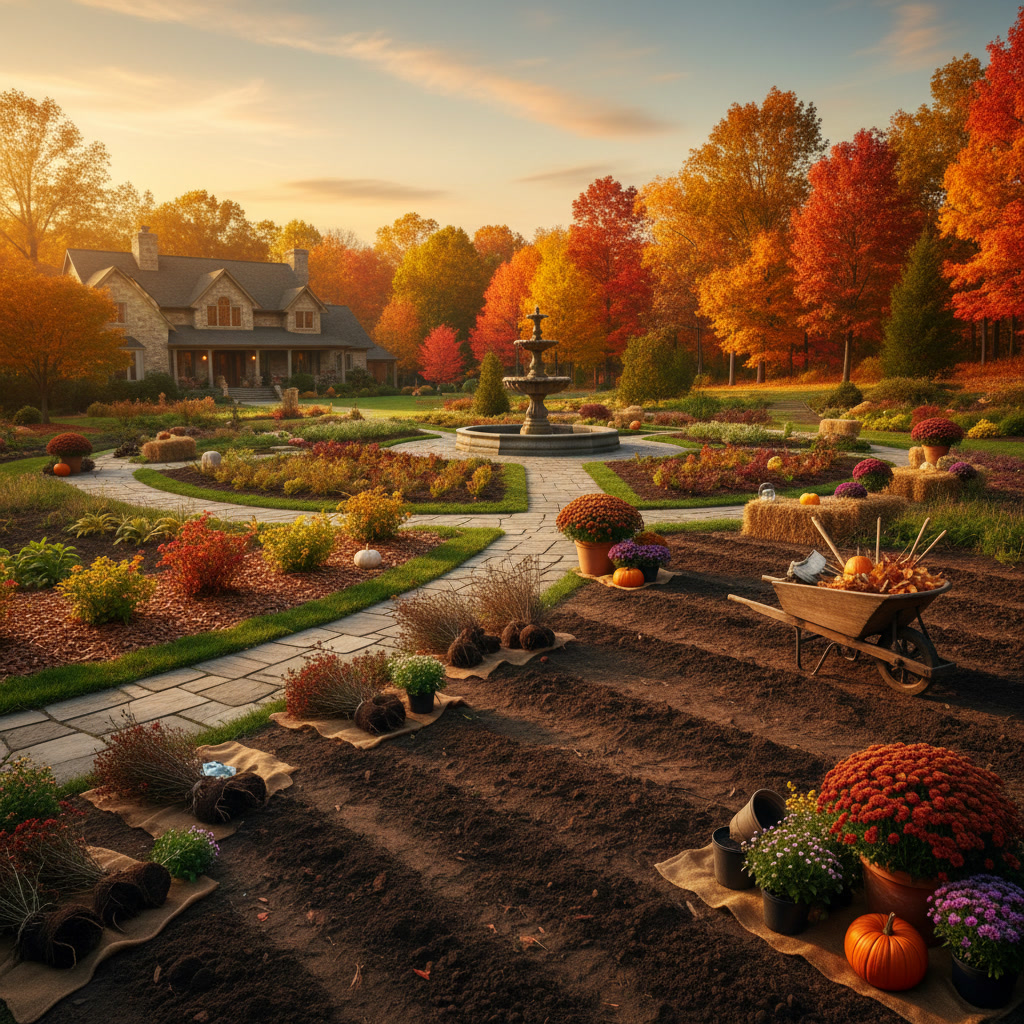
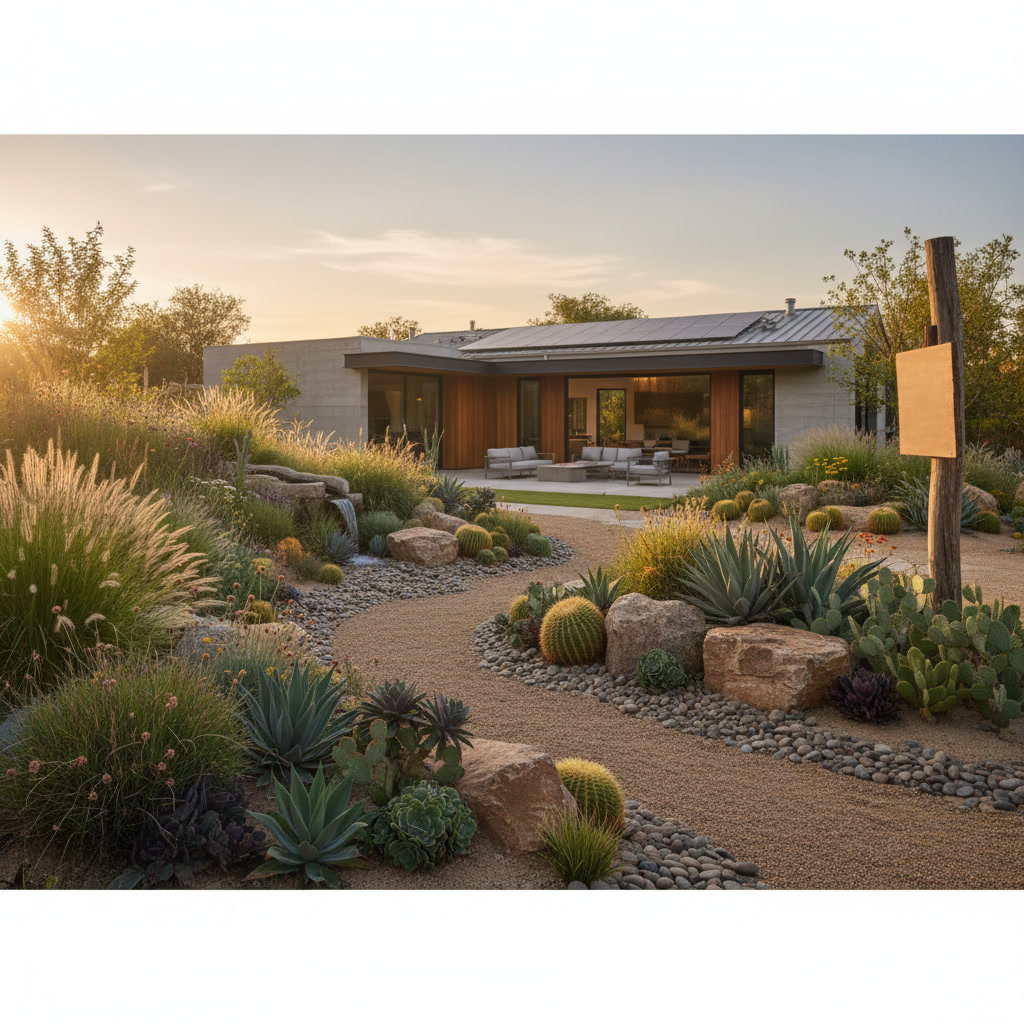
A low maintenance landscape design prioritizes plants, materials, and features that require minimal pruning, watering, and seasonal care while still delivering visual appeal. High impact designs focus on dramatic elements and seasonal color that demand regular attention to maintain their appearance. The time-saving winner depends on your long-term commitment: low maintenance yards save hundreds of hours annually after the initial installation, while high impact landscapes require ongoing investment but offer more flexibility to change themes and styles.
Understanding What Makes a Landscape Low Maintenance
Low maintenance doesn’t mean boring or simple. It refers to strategic choices that reduce recurring tasks. Native perennials require less water than exotic annuals. Mulched beds suppress weeds better than bare soil. Automated irrigation systems eliminate the need for daily watering. The initial design phase determines how much time you’ll spend on upkeep for years to come.
The best low maintenance landscapes use durable materials that age gracefully without constant refinishing. Stone paths don’t need resealing every year like wood decks. Ground covers spread naturally to fill gaps, reducing the area you need to mow or weed. Evergreen shrubs maintain structure year-round without the need to replant each spring.
The Hidden Time Costs of High Impact Landscapes
High impact designs create stunning first impressions with bold colors, intricate plant arrangements, and seasonal rotations. However, they demand attention. Annual beds need replanting twice yearly. Ornamental grasses require division every few years. Delicate flowering shrubs need deadheading and specific pruning schedules to maintain their show-stopping appearance.
Water needs escalate with high impact choices. Tropical-looking plants and lush lawns consume significantly more water during New England summers. Fertilization schedules become more complex when mixing plants with different nutrient requirements. Even pest and disease management increases when you introduce a wider variety of species.
Smart Plant Selection Reduces Weekly Hours in Essex County
The right plants make the biggest difference in maintenance time. Native species adapted to your local conditions thrive without constant intervention. Black-eyed Susans, coneflowers, and daylilies return year after year with minimal care. They’ve evolved alongside local pests and weather patterns, making them naturally resilient.
Avoid plants that require specific soil pH adjustments or protection from winter winds common in the region. Skip fast-growing hedges that need trimming every few weeks during the growing season. Choose compact cultivars bred to maintain their shape without constant pruning. The hours you save on plant care compound dramatically over a growing season.
Professional designers understand which species truly perform with minimal input. The decisions made during the initial landscaping and design phase determine whether you’ll spend Saturday mornings relaxing or working in the yard for the next decade.
Hardscape Elements That Minimize Upkeep
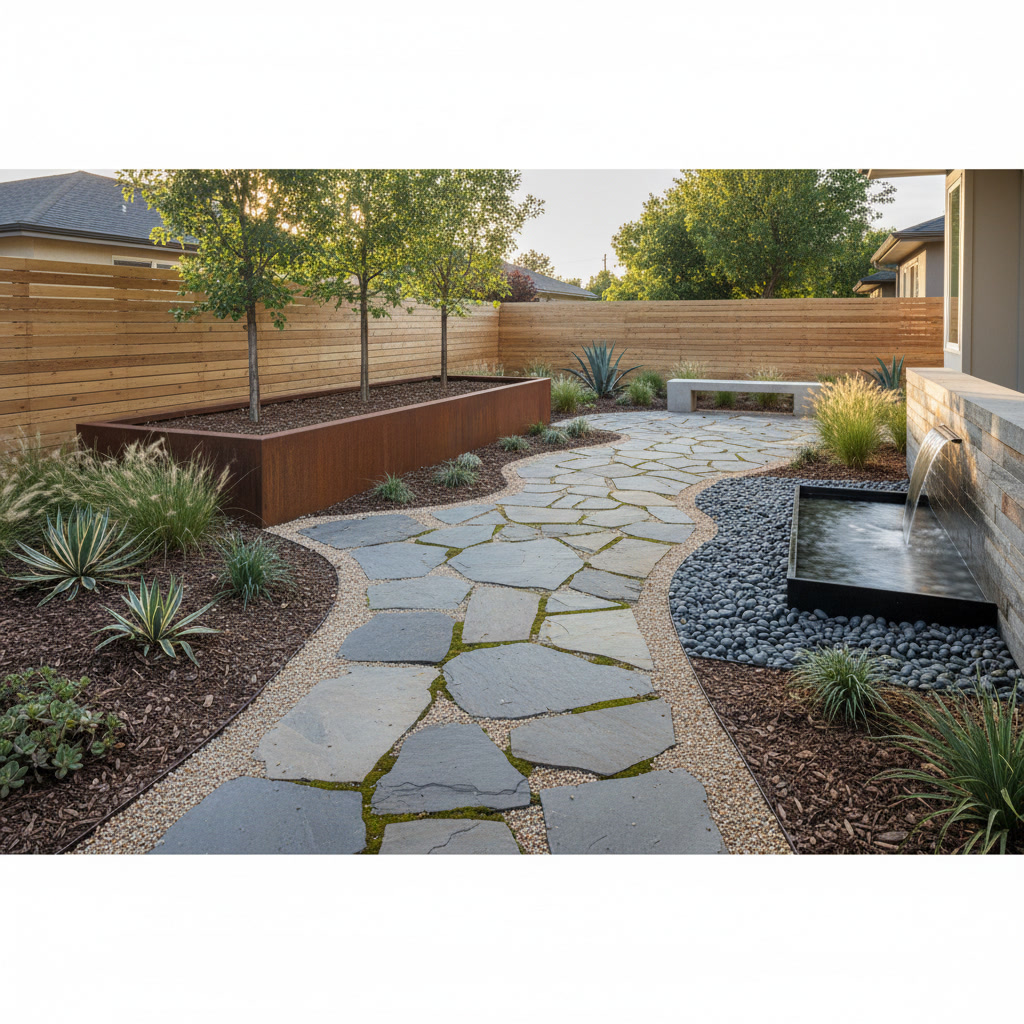
Permanent structures reduce the square footage of plant beds that need attention. A well-designed patio eliminates lawn area while creating functional outdoor living space. Stone walkways prevent soil compaction and reduce muddy paths that damage grass. These features require virtually no maintenance after installation.
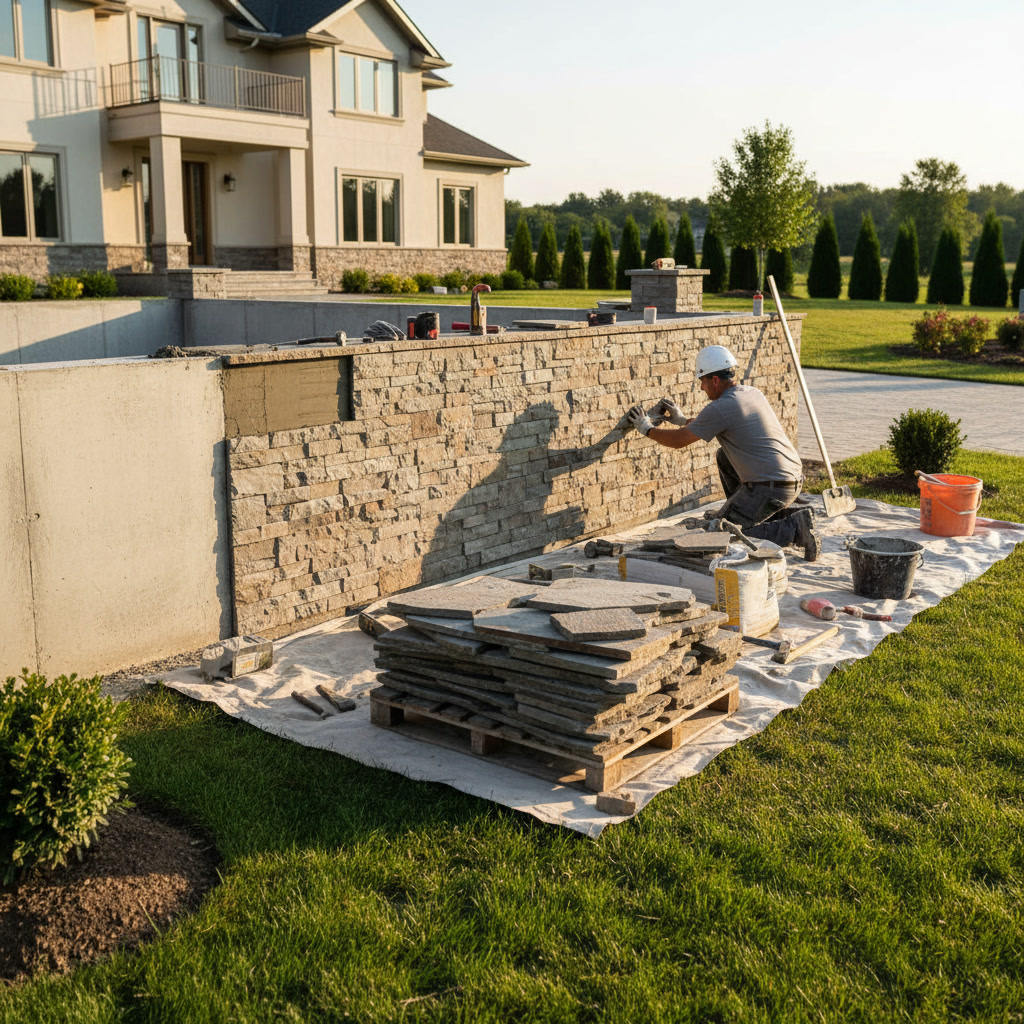
Quality materials matter for long-term time savings. Natural stone patios and walkways develop character as they age rather than deteriorating. Properly installed retaining walls solve drainage issues permanently, preventing the erosion problems that create ongoing repair work.
Consider the maintenance profile of different hardscape options. Sealed pavers may need resealing every few years. Natural stone requires occasional power washing but no chemical treatments. Gravel paths need periodic replenishment but drain perfectly without intervention. Each choice carries different time commitments over its lifespan.
Comparing Weekly Maintenance Hours: A Realistic Breakdown
A typical high impact landscape with annual beds, mixed perennial borders, and ornamental features requires eight to 12 hours of weekly maintenance during peak growing season. This includes watering, deadheading, weeding, edging, and monitoring for pests. Spring and fall cleanups add another 40 to 60 hours annually.
A well-designed low maintenance landscape drops weekly care to two to four hours during summer. Most time goes to mowing reduced lawn areas and occasional weeding. Automated irrigation handles watering. Native plants resist pests without spraying. The annual time investment shrinks from 400 hours to under 150 hours, freeing up entire weekends.
The difference becomes even more pronounced as landscapes mature. High impact designs often require renovation every five to seven years as plants outgrow their spaces or soil quality declines. Low maintenance landscapes improve with age as perennials establish deeper root systems and ground covers fill in completely.
Lawn Alternatives That Cut Mowing Time Dramatically
Traditional lawns demand the most time of any landscape element. Weekly mowing, edging, fertilizing, aerating, and overseeding consume hundreds of hours annually. Reducing lawn area saves more time than any other single design decision.
Ground covers like creeping thyme or Pennsylvania sedge create green carpets without mowing. They handle foot traffic in low-use areas while requiring only an annual trim. Mulched beds with specimen plants eliminate grass entirely in shaded or sloped areas where mowing is difficult. These alternatives also solve drainage issues that lawns struggle with.
Even partial lawn reduction delivers significant time savings. Replace grass in narrow strips along fencing with mulch and a simple hedge. Convert sloped areas to terraced beds with stone edges. Keep lawn only where you actually use it for recreation or as visual breathing room between planted areas.
Irrigation Systems and Mulch: The Time-Saving Foundation
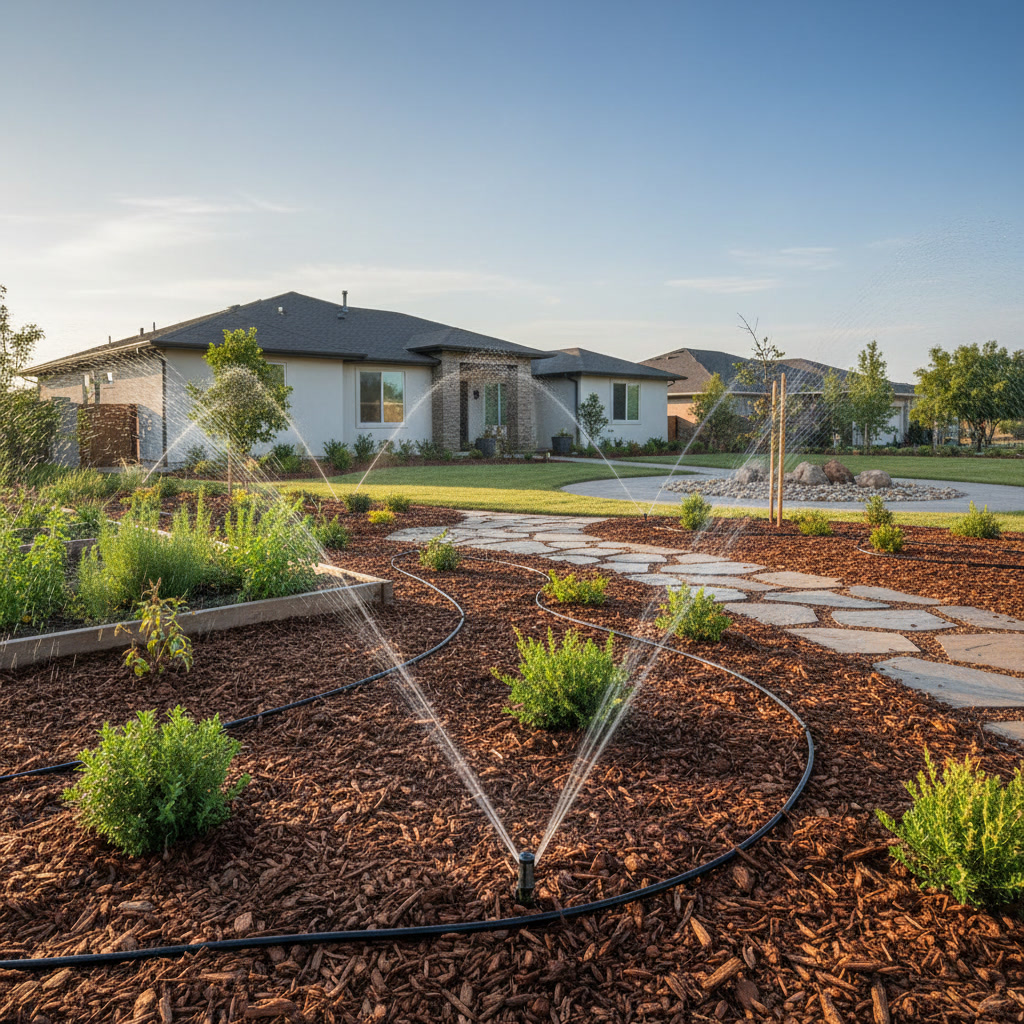
Manual watering consumes 30 to 60 minutes daily during dry spells. An automated drip irrigation system delivers water directly to root zones on a timer, eliminating this task entirely. Initial installation costs are recovered within two seasons through water savings and reduced plant loss from inconsistent watering.
Proper mulch installation suppresses weeds, retains soil moisture, and regulates temperature. A three-inch layer of hardwood mulch can reduce weeding time by 70 percent compared to bare soil. Mulch breaks down slowly, improving soil quality while reducing the need for frequent fertilization.
These two elements work together to create a self-sustaining system. Drip irrigation keeps mulch in place during heavy rain while delivering precise water amounts. Mulch reduces evaporation, meaning irrigation runs less frequently. The combination minimizes both water waste and time spent on routine care tasks.
When High Impact Makes Sense Despite the Hours
Some property owners genuinely enjoy hands-on gardening. If you find relaxation in pruning roses or rotating seasonal containers, the time investment isn’t a burden. High impact designs also make sense for front yards where curb appeal directly affects property values, while keeping backyards simple and functional.
Event spaces benefit from flexible, high impact designs. If you host outdoor gatherings regularly, the ability to refresh plantings for specific occasions may outweigh maintenance concerns. Consider limiting high maintenance elements to focal points near entries or entertainment areas, keeping the rest of the property simple.
Professional maintenance services change the equation entirely. If you plan to hire ongoing lawn care and maintenance, the time burden shifts from your schedule to your budget. High impact designs become feasible when someone else handles the weekly tasks.
Seasonal Considerations for New England Properties
Climate plays a major role in maintenance requirements. New England’s freeze-thaw cycles damage delicate plants and hardscape materials not rated for the conditions. Choosing cold-hardy species and properly installed structures prevents the time drain of constant repairs and replacements.
Spring and fall transitions create concentrated workloads in any landscape. However, designs built around native plants and durable materials reduce these seasonal peaks. You’ll still need basic seasonal cleanups, but the hours required drop significantly when you’re not dealing with winter-damaged exotics or failed installations.
Snow management also factors into total property maintenance. Simplified planting beds near driveways and walkways prevent damage from plowing and shoveling. Hardy evergreens handle snow load better than ornamental varieties. Strategic design reduces both growing season maintenance and winter complications.
The Role of Professional Design in Time Efficiency
Expert designers prevent costly mistakes that create ongoing maintenance problems. They understand drainage patterns, sun exposure, and soil conditions that determine which plants truly thrive in specific locations. A professional assessment identifies problem areas before installation, avoiding the time spent correcting issues later.
Proper installation matters as much as design. Incorrectly graded patios create puddles that require constant attention. Poorly placed trees interfere with utilities or structures within a few years. Plants installed at wrong depths struggle indefinitely. Professional execution ensures features perform as intended from day one.
The initial investment in quality design and installation pays dividends in reduced lifetime maintenance. D.S. Landscaping & Construction approaches every project with long-term performance in mind, selecting materials and plants that deliver results without demanding constant intervention. This expertise prevents the common scenario where shortcuts taken during installation create years of extra work.
Creating Your Personal Balance Between Beauty and Time
The ideal landscape matches your actual lifestyle, not an idealized version. Honestly assess how much time you want to spend outdoors on maintenance versus enjoyment. Factor in travel schedules, physical abilities, and competing demands on your weekends. Design accordingly rather than creating a beautiful burden.
Hybrid approaches work well for many properties. Keep public-facing areas simple and polished with low maintenance choices. Reserve high impact features for small focal points where you can enjoy the extra effort. This strategy delivers visual interest without overwhelming your schedule.
Remember that landscapes evolve. You can start with low maintenance bones and add complexity later if desired. The reverse is much harder, as removing established high maintenance plantings means starting over. Building a durable, simple foundation gives you options as your priorities change over the years.
Building a Landscape That Works for Your Schedule
Time savings compound dramatically when every design element considers long-term maintenance. Strategic plant selection, quality hardscape installation, and automated systems create outdoor spaces that enhance your property without dominating your calendar. The key is making informed choices during the design phase based on realistic assessments of your available time and maintenance preferences.
Whether you prioritize minimal upkeep or enjoy hands-on gardening, professional guidance ensures your landscape investment performs as expected. D.S. Landscaping & Construction brings decades of experience creating outdoor spaces throughout Essex County that balance aesthetic goals with practical maintenance realities. Our team helps you understand the true long-term commitment of different design approaches before breaking ground.
Ready to create a landscape that fits your lifestyle and schedule? Contact our team at 978 786 2087 to discuss your property’s potential and explore design options that deliver lasting beauty without endless upkeep.