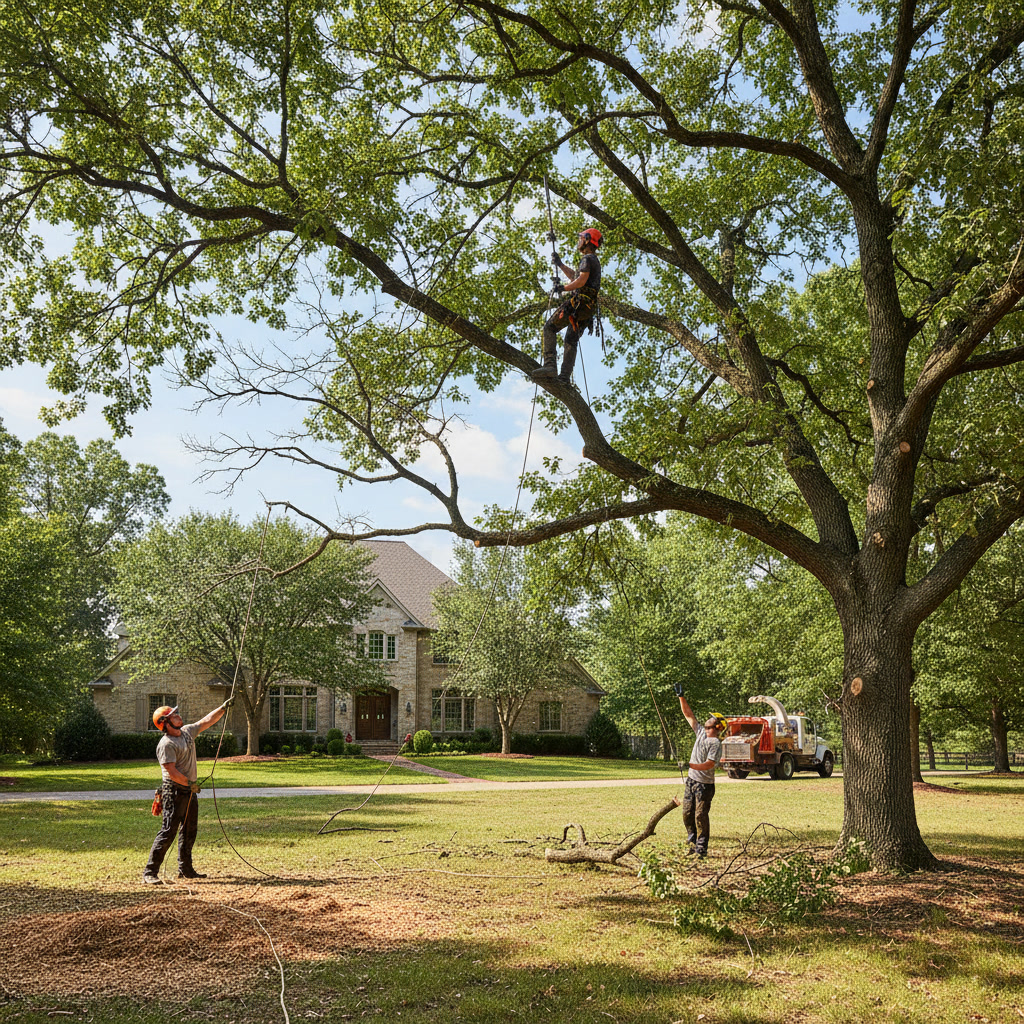

Fall presents exceptional conditions for landscape design fall planting because cooler temperatures reduce transplant shock while warm soil encourages root development before winter dormancy. Plants installed during autumn establish stronger root systems than spring plantings, requiring less water and showing better survival rates through the following summer. Proper site preparation, soil amendment, and timing determine whether your fall landscape investments thrive or struggle.
Why Fall Offers Distinct Advantages for New Plantings
Autumn weather creates optimal planting conditions that spring cannot match. Soil temperatures remain warm through October in New England, promoting root growth even as air temperatures cool. Plants direct energy toward root establishment rather than top growth, building the foundation for vigorous spring emergence.
Fall rains reduce irrigation demands significantly. September through November typically brings consistent moisture that keeps new plantings hydrated without the expense and labor of daily watering required during summer installations. Reduced pest and disease pressure during cooler months gives plants a healthier start with fewer chemical interventions needed.
Site Assessment and Cleanup for Successful Establishment
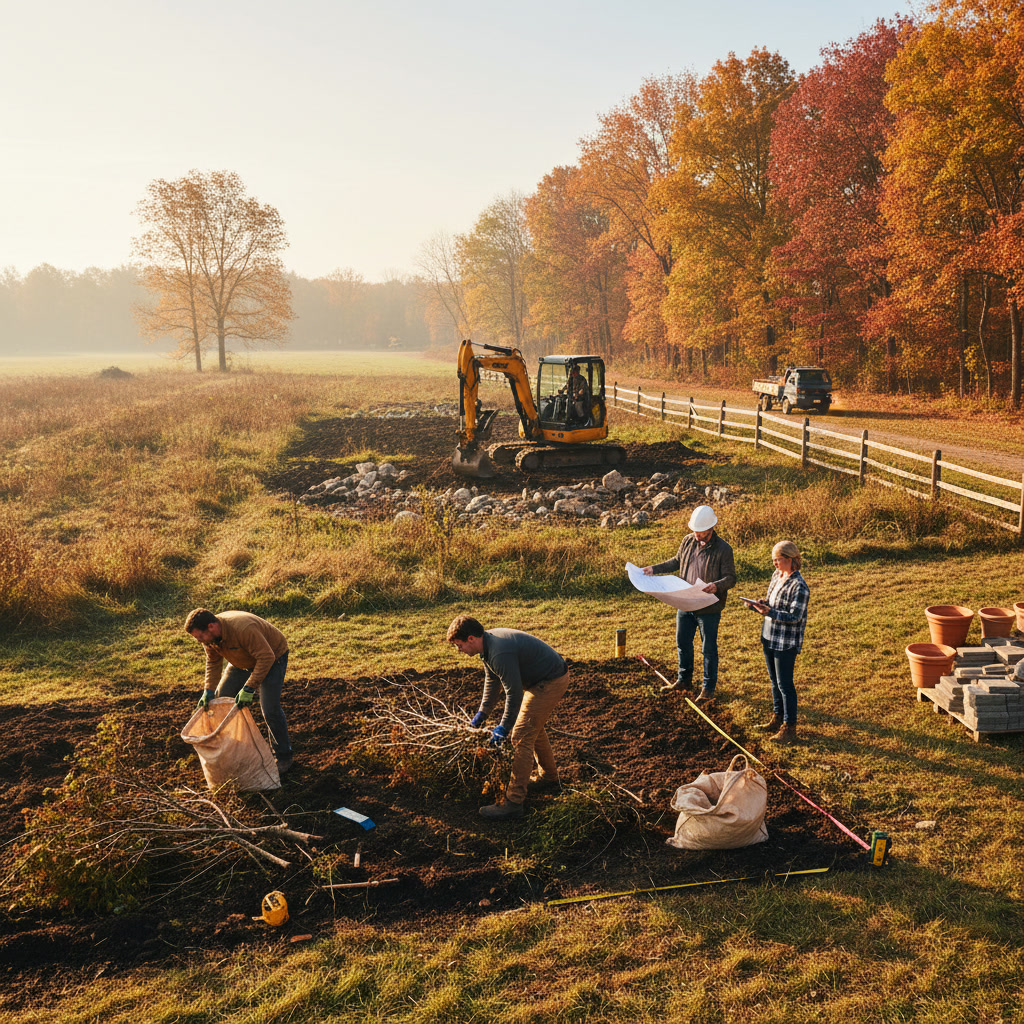
Begin preparation by removing existing vegetation, debris, and unwanted materials from planting areas. Dead plants, weeds, and accumulated leaf litter harbor pests and diseases that can infect new installations. A thorough seasonal cleanup eliminates these threats while exposing soil conditions that require attention.
Evaluate drainage patterns across your property before committing to plant locations. Fall rains reveal low spots where water accumulates, areas unsuitable for most ornamentals without soil grading or drainage improvements. Mark these zones and plan accordingly, choosing moisture-tolerant species or installing drainage solutions before planting.
Test soil pH and nutrient levels now rather than guessing. County extension offices and garden centers offer affordable testing that reveals specific deficiencies. Results guide amendment choices, preventing the common mistake of adding fertilizers your soil does not need while ignoring actual limiting factors.
Soil Preparation Techniques That Support Root Development
Amend soil at least two weeks before planting to allow organic matter to begin decomposing. Mix two to four inches of compost into the top 12 inches of native soil. This ratio improves both sandy and clay soils, enhancing drainage in heavy soils while increasing water retention in light soils.
Avoid creating distinct planting pockets filled entirely with amended soil. Roots struggle to penetrate the interface between drastically different soil types, often circling within the planting hole rather than spreading into surrounding ground. Blend amendments throughout the entire bed for uniform root expansion.
Consider incorporating mycorrhizal fungi inoculants when planting trees and shrubs. These beneficial organisms colonize roots and extend their effective reach by 10 to 100 times, dramatically improving nutrient and water uptake. The small additional cost pays dividends in establishment speed and long-term plant health.
Timing Your Fall Installations in Essex County
Plant woody species at least six weeks before the ground freezes, typically by mid-October in Essex County. This window allows adequate root growth before dormancy. Trees and shrubs installed too late enter winter without sufficient anchoring, risking frost heaving and desiccation damage.
Perennials tolerate later planting than woody plants because their smaller root systems establish quickly. Installations through early November succeed when protected with proper mulching. Spring-blooming bulbs require planting by late November, after soil temperatures drop below 60 degrees but before hard freezes prevent digging.
Monitor extended weather forecasts and soil conditions rather than relying solely on calendar dates. An unusually warm October allows later planting, while an early cold snap requires earlier completion. Soil workability matters more than specific dates.
Selecting Plants Suited for Autumn Installation
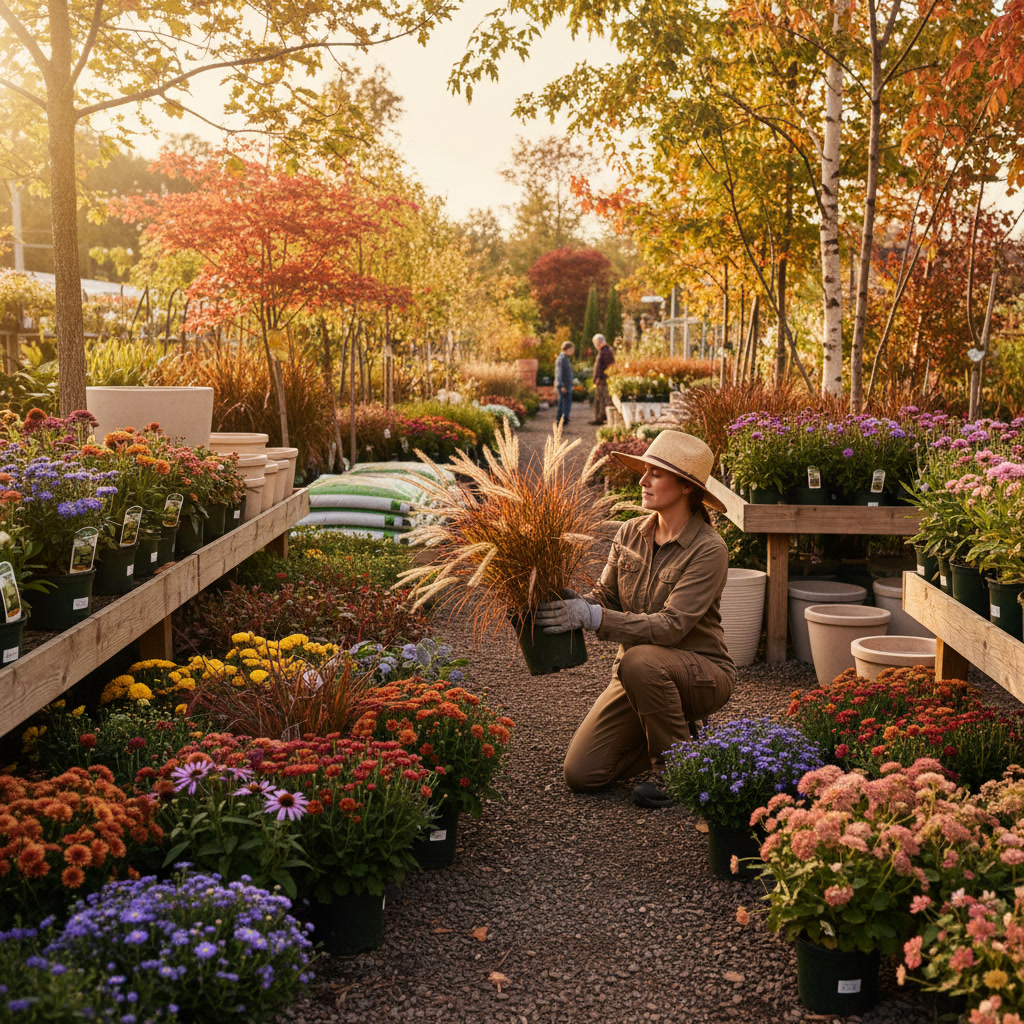
Container-grown specimens transplant more successfully in fall than balled-and-burlapped or bare-root stock. Container plants experience less root disturbance during installation, establishing faster with lower mortality rates. When choosing balled-and-burlapped trees, inspect root balls for firmness and intact structure.
Native species generally outperform exotic ornamentals for fall planting in New England climates. Their natural adaptation to local conditions reduces establishment challenges. The selection process for choosing plants for New England climates requires matching species to specific site conditions rather than planting favorites that struggle in your microclimate.
Evergreens require special consideration for fall installation. These plants continue losing moisture through needles or leaves during winter when roots cannot absorb replacement water from frozen soil. Plant evergreens earlier in autumn than deciduous species, and apply anti-desiccant sprays before winter to reduce moisture loss.
Step-by-Step Installation Process for Maximum Success
Dig planting holes two to three times wider than the root ball but no deeper. Placing plants too deep causes root collar rot, the leading cause of tree mortality in landscapes. The root flare where trunk meets roots should sit at or slightly above grade after settling.
Remove containers completely and score circling roots with a knife, making four or five vertical cuts through the outer root mass. This seemingly aggressive technique forces new root growth outward into surrounding soil rather than continuing the circling pattern. Gently tease apart matted roots on the bottom of the root ball.
Backfill with native soil amended at the same ratio used throughout the bed. Water thoroughly when the hole is half-filled to eliminate air pockets, then complete backfilling. Create a temporary berm around the planting to hold water, but remove it after the first season to prevent moisture accumulation against the trunk.
Stake only trees that cannot support themselves or face high wind exposure. Overstaking prevents the trunk movement that stimulates strengthening. When staking is necessary, use wide straps that allow some trunk flex and remove supports after one growing season.
Coordinating Plantings with Hardscape Projects
Fall offers ideal conditions for completing both planting and hardscape installations before winter. Cooler temperatures make physical labor more comfortable while contractors face lighter scheduling demands than during peak spring and summer seasons. Coordinate these projects to avoid damage and rework.
Complete all heavy construction before installing plants. Equipment traffic compacts soil and damages root systems. Finish patios and walkways, retaining walls, and hardscape features first, allowing disturbed areas to settle before final grading and planting.
Plan plant locations to complement hardscape elements rather than compete with them. Trees planted too close to patios lift pavers with expanding roots. Shrubs placed near walkways eventually overgrow paths, requiring constant pruning. The integration of hardscape elements into cohesive landscape design requires understanding mature plant sizes and root spread patterns.
Mulching Strategies for Winter Protection
Apply three to four inches of organic mulch after planting but after the ground begins freezing, typically in late November. Early mulching keeps soil warm longer than desired, delaying dormancy and reducing cold hardiness. The purpose of winter mulch is moderating temperature fluctuations rather than providing warmth.
Keep mulch several inches away from plant stems and tree trunks. Mulch piled against bark creates persistently moist conditions that encourage rot, insect damage, and rodent nesting. Create a donut shape with bare soil immediately surrounding the plant and mulch extending outward to cover the root zone.
Choose shredded hardwood bark or leaf compost rather than dyed mulches or large bark nuggets. Shredded materials stay in place better during winter winds and rain while providing better insulation. Large nuggets float away during heavy rains and offer less temperature buffering.
Watering Requirements Through Fall and Early Winter
New plantings require consistent moisture through fall even as temperatures cool. Water deeply once weekly if rainfall does not provide at least one inch. Check soil moisture four inches below the surface rather than relying on surface appearance, which can be misleading.
Continue watering until the ground freezes solid, particularly for evergreens. Plants enter winter dormancy with full moisture reserves, reducing desiccation damage during frozen periods when roots cannot absorb water. A thorough watering just before the ground freezes provides crucial insurance against winter burn.
Reduce watering frequency as temperatures drop but increase volume per application. Deep, infrequent watering encourages deep root growth, while shallow frequent watering promotes surface roots vulnerable to freezing damage. Soil should be moist but never saturated or waterlogged.
Protecting Installations from Winter Stress
Install physical barriers around plantings vulnerable to salt spray from road treatments or snow plow damage. Burlap screens filter salt-laden wind without completely blocking light and air circulation. Position barriers on the windward side of plants, particularly along driveways and streets.
Wrap thin-barked trees with trunk guards to prevent sunscald, frost cracks, and rodent damage. Reflective white or light-colored wraps work better than dark materials that absorb heat and increase temperature fluctuations. Remove wraps each spring to prevent moisture buildup and insect harboring.
Mark new planting locations with stakes tall enough to remain visible above snow cover. This simple step prevents accidental damage from snow removal equipment and foot traffic. Clear marking also helps you track which areas require special attention when spring arrives.
Planning Ahead for Spring Emergence
Document your fall installations with photos and notes about plant varieties, locations, and specific care requirements. Details you remember clearly in November become hazy by April. Written records prevent duplicate purchases and guide maintenance scheduling when growth resumes.
Schedule spring follow-up tasks now rather than waiting until the rush begins. Early spring requires mulch refreshing, fertilization based on soil test results, and pruning of any winter damage. Advance planning ensures these tasks happen at optimal times rather than whenever you find time.
Consider how fall plantings fit into your longer-term landscape vision. Successful establishment this year creates the foundation for expanding plantings, adding complementary hardscape elements, or enhancing existing features. Each season builds on previous investments when guided by a coherent overall plan.
Building a Landscape That Thrives for Years
Fall planting rewards careful preparation with robust establishment and reduced maintenance demands. Plants installed during autumn develop stronger root systems that support vigorous growth and better drought tolerance through subsequent seasons. The time invested in proper site preparation, soil amendment, and installation technique determines whether your landscape merely survives or truly thrives.
Successful fall projects combine appropriate plant selection with realistic timing and thorough site preparation. These fundamentals apply across all landscape scales, from small residential bed installations to comprehensive property transformations.
D.S. Landscaping & Construction brings decades of experience to fall landscape installations throughout Massachusetts and southern New Hampshire. Our team handles every aspect of site preparation, plant selection, installation, and seasonal protection to ensure your autumn projects establish successfully. Call 978 786 2087 to discuss your fall landscape plans and schedule a consultation.