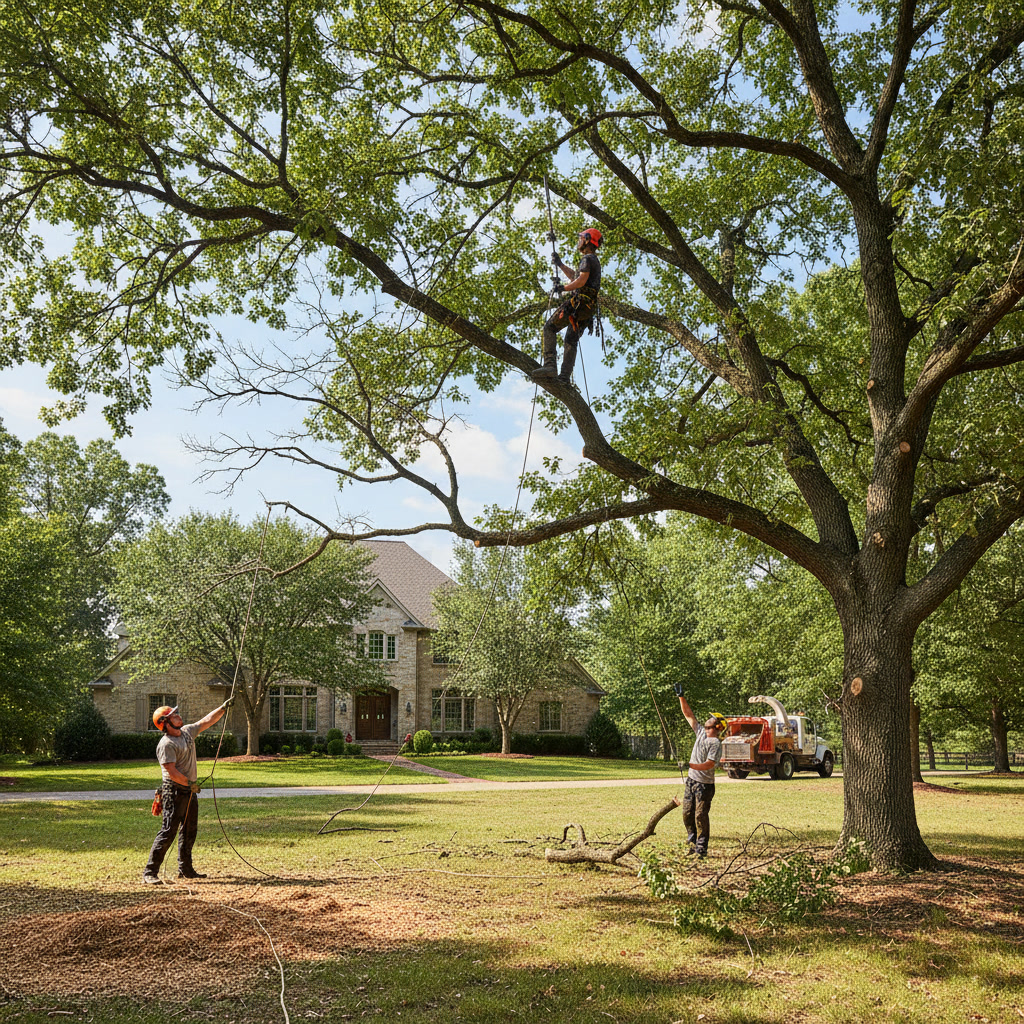
Professional tree pruning benefits extend far beyond aesthetic appeal, directly impacting the structural integrity of your trees and the safety of your property. Proper pruning techniques remove diseased, damaged, or dead branches before they become hazards, while promoting healthier growth patterns that extend the lifespan of mature trees. Strategic cuts made by experienced arborists improve air circulation, reduce disease risk, and prevent structural failures that could damage buildings, vehicles, or injure people.
Why Trees Need Regular Professional Attention
Trees growing in residential and commercial landscapes face different challenges than their forest counterparts. Limited space, soil compaction, proximity to structures, and urban stressors create conditions where trees cannot self-regulate as effectively. Dead or crossing branches accumulate, weak unions develop, and disease spreads unchecked without human intervention.
Professional arborists assess tree structure, identify potential failure points, and make precise cuts that trigger the tree’s natural defense mechanisms. Unlike random cutting, which often causes more harm than good, proper pruning follows the tree’s biology to minimize stress and maximize recovery. This specialized knowledge separates professional care from well-intentioned but damaging amateur efforts.
The Science Behind Effective Pruning Techniques
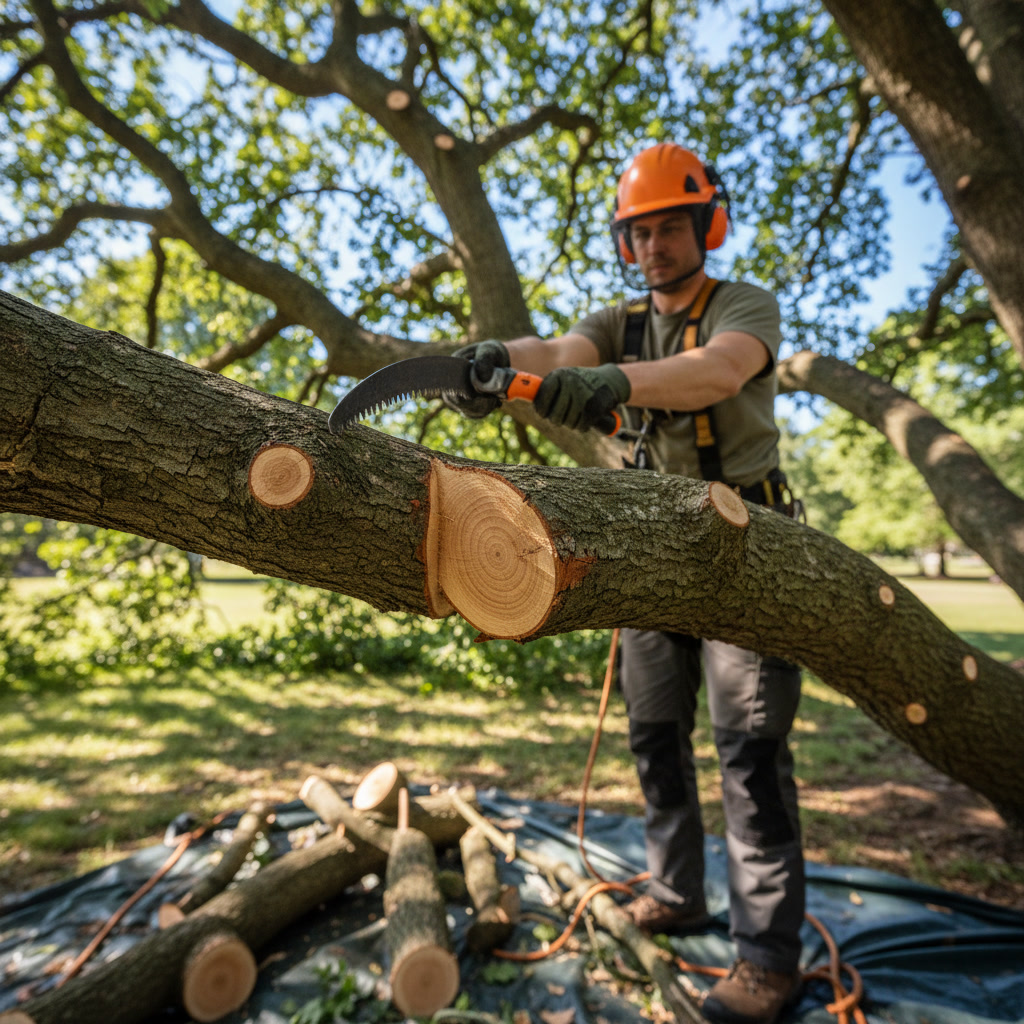
Trees compartmentalize damage through a process called CODIT (Compartmentalization of Decay in Trees). When you make a pruning cut in the correct location, just outside the branch collar, the tree can seal the wound efficiently and prevent decay organisms from entering the main trunk. Cuts made flush to the trunk or left as stubs disrupt this natural defense system.
The angle, location, and timing of each cut matter significantly. Cuts made during dormancy generally heal faster, though hazardous branches require immediate removal regardless of season. Professional arborists understand species-specific responses and adjust their approach accordingly, ensuring each tree receives appropriate care based on its growth habits and current health status.
How Pruning Prevents Common Tree Diseases
Dense canopies trap moisture and limit air movement, creating ideal conditions for fungal diseases like powdery mildew, anthracnose, and various leaf spots. Thinning cuts that selectively remove interior branches improve air circulation and allow sunlight to reach inner foliage, reducing humidity levels that promote pathogen growth.
Pruning also removes infected branches before diseases spread throughout the tree. Fire blight in ornamental pears, apple scab, and bacterial infections often concentrate in specific branches. Removing these problem areas and sterilizing tools between cuts prevents contamination of healthy tissue. This targeted intervention can save a tree that might otherwise decline rapidly.
Structural Pruning Reduces Storm Damage Risk
Young trees benefit immensely from structural pruning that establishes a strong central leader and well-spaced lateral branches. Correcting co-dominant stems, removing competing leaders, and eliminating branches with narrow crotch angles prevents structural failures decades later. A tree pruned correctly in its first 15 years develops a framework that withstands severe weather throughout its lifespan.
Mature trees require different strategies focused on weight reduction and hazard elimination. Removing end weight from long horizontal branches reduces leverage during wind events. Crown reduction maintains the tree’s natural shape while decreasing sail area that catches wind. These techniques preserve the tree while significantly reducing the likelihood of catastrophic failure during storms common in New England.
Property Safety Improvements Through Strategic Branch Removal in Essex County
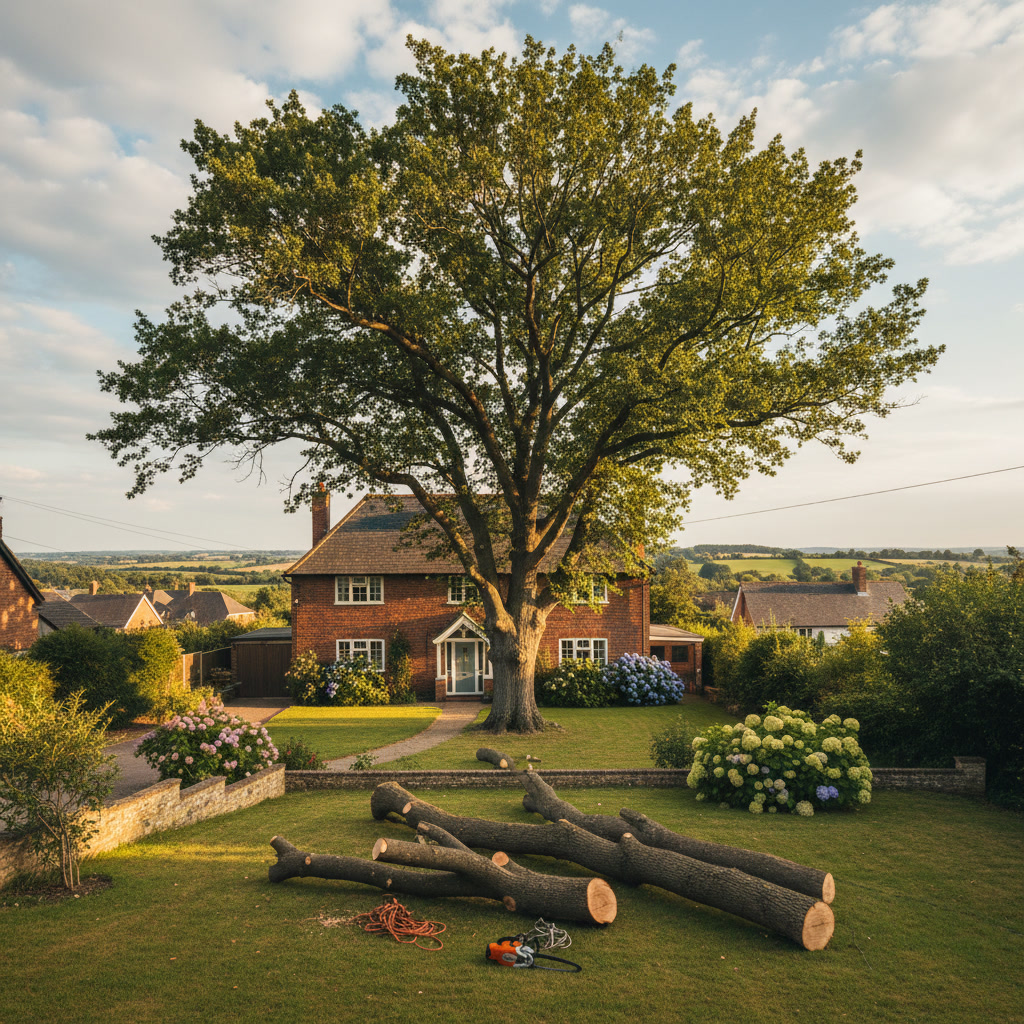
Overhanging branches pose multiple risks to your property. Limbs contacting roofs wear away shingles, provide pathways for rodents and insects, and drop leaves that clog gutters and retain moisture. Branches within six to ten feet of structures create entry points and increase fire risk if they contact power lines or chimneys.
Regular pruning maintains safe clearances around buildings, driveways, and walkways. Removing branches over parking areas prevents vehicle damage from falling limbs. Raising the canopy over pedestrian paths ensures adequate headroom and improves sightlines for security. These practical safety measures protect both property and people while maintaining the tree’s health and appearance.
The Connection Between Pruning and Long-Term Tree Vitality
Removing deadwood and diseased branches redirects the tree’s energy toward healthy growth. Trees allocate resources to maintain all living tissue, including declining branches that provide little photosynthetic benefit. Strategic removal allows the tree to focus resources on vigorous shoots and developing stronger wood in critical structural areas.
Proper pruning also stimulates new growth in desired locations. Heading cuts encourage branching and denser foliage in sparse areas, while thinning cuts redirect energy to remaining branches. Understanding how different cuts affect growth patterns allows professionals to shape tree development over time, creating specimens that complement your landscape design while remaining structurally sound.
Five Critical Pruning Mistakes That Harm Trees
Topping trees ranks as the most damaging common practice. Cutting main stems back to stubs removes the tree’s food-producing crown and triggers rapid growth of weakly attached water sprouts. These fast-growing shoots lack the structural strength of natural branches and create higher maintenance needs and failure risks.
Lion’s tailing, which removes all interior growth and leaves only foliage at branch ends, shifts weight distribution and increases breakage during wind or ice loading. Over-pruning in a single session stresses trees beyond their recovery capacity. Leaving branch stubs prevents proper wound closure. Using dull tools or making torn cuts creates entry points for insects and disease. Professional arborists avoid these errors through proper training and adherence to industry standards.
Timing Your Pruning for Optimal Results
Late winter and early spring, before bud break, represent the ideal pruning window for most deciduous trees. Trees hold maximum stored energy, wounds close quickly once growth begins, and the absence of leaves improves visibility of branch structure. Pruning during dormancy also minimizes sap loss in species like maples and birches.
Some situations require different timing. Oak trees in areas with oak wilt should not be pruned during April through July when beetle vectors are active. Spring-flowering trees like magnolias require pruning immediately after bloom to avoid removing next year’s flower buds. Dead or hazardous branches demand immediate attention regardless of season. Understanding these species-specific and situation-dependent factors ensures pruning enhances rather than harms tree health.
How Pruning Complements Your Overall Landscape
Well-maintained trees enhance the entire property, creating cohesive outdoor spaces that integrate plantings with hardscape elements. Properly pruned trees frame views, provide dappled shade for understory plantings, and create natural transitions between different landscape zones. Just as thoughtful planning guides successful hardscape integration, strategic tree care supports your broader landscape vision.
Trees with raised canopies allow better visibility of retaining walls, patios, and walkways while still providing shade and screening. Selective pruning preserves desirable views while blocking unwanted sightlines. This integrated approach treats your landscape as a unified system where each element supports the others, creating functional and beautiful outdoor environments.
Cost Prevention Through Proactive Tree Care
Investing in regular pruning prevents far more expensive problems. A falling branch that damages your roof, vehicle, or fencing can cost thousands in repairs, while preventive removal of the hazardous limb costs a fraction of that amount. Trees that fail catastrophically often require emergency removal under difficult conditions, driving costs well beyond routine pruning expenses.
Health maintenance through pruning extends tree lifespan, delaying or eliminating the need for costly removal and replacement. Mature trees add significant property value, provide irreplaceable shade, and take decades to replace. Protecting these assets through regular professional care delivers measurable financial returns beyond the immediate safety and aesthetic improvements.
Protecting Your Investment and Property
The professional tree pruning benefits discussed here translate directly into safer properties, healthier trees, and reduced long-term maintenance costs. Strategic removal of dead, diseased, and structurally weak branches prevents property damage while extending tree lifespan through improved health and vigor. Regular professional attention ensures your trees remain valuable landscape assets rather than potential liabilities.
D.S. Landscaping & Construction provides expert tree services throughout Essex County and surrounding Massachusetts communities, combining arboricultural knowledge with proven safety practices. Our team evaluates each tree individually, developing pruning strategies that balance health, safety, and aesthetic goals while respecting the tree’s natural growth patterns and your property’s specific requirements.
If your property contains mature trees or you have concerns about overhanging branches, contact our team at 978 786 2087 to schedule a professional assessment and learn how proper pruning can protect your investment while enhancing your landscape.