
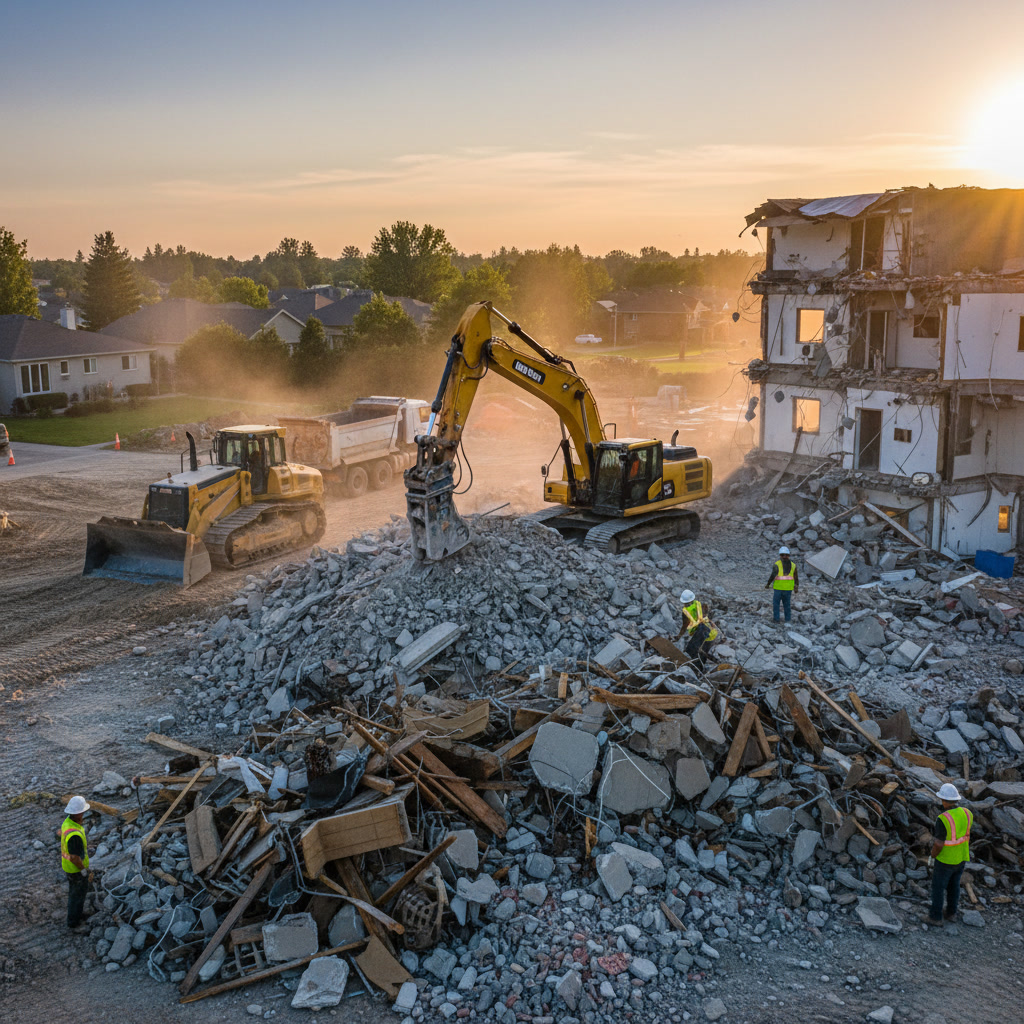
The demolition site clearing process involves removing existing structures, vegetation, and debris to prepare land for new construction or landscaping projects. Professional crews follow a systematic approach that includes site assessment, permit acquisition, hazard removal, demolition of structures, debris hauling, and final grading. The entire process typically takes one to four weeks depending on property size, structure complexity, and local regulations.
Property owners across Massachusetts often need complete site clearing when renovating older homes, preparing land for new construction, or transforming overgrown lots into usable outdoor spaces. The work requires specialized equipment, trained operators, and careful planning to ensure safety and efficiency.
Understanding the Scope of Your Demolition Project
Every property presents unique challenges that affect timeline and cost. A single-story garage removal differs significantly from clearing a multi-structure property with mature trees, old foundation remnants, and buried utilities. Professional contractors conduct thorough site walks to identify obstacles like underground fuel tanks, asbestos-containing materials, or protected vegetation.
Property boundaries and easements also influence project scope. Survey stakes prevent accidental encroachment onto neighboring land, while utility easements determine which areas contractors can excavate. Some municipalities require erosion control measures before demolition begins, particularly on sloped lots or properties near water bodies.
Pre-Demolition Planning and Permit Requirements
Massachusetts municipalities require demolition permits for most structure removal projects. The permitting process typically takes two to four weeks and involves submitting site plans, proof of utility disconnection, and environmental compliance documentation. Some towns mandate waiting periods to allow historical commissions time to review properties built before 1950.
Contractors coordinate utility disconnections with electric, gas, water, and telecommunications providers before equipment arrives. Live utility lines pose serious safety hazards, and most jurisdictions require documented proof of disconnection before issuing permits. Underground utility locations get marked with colored flags through the Dig Safe system, a free service that prevents accidental strikes during excavation.
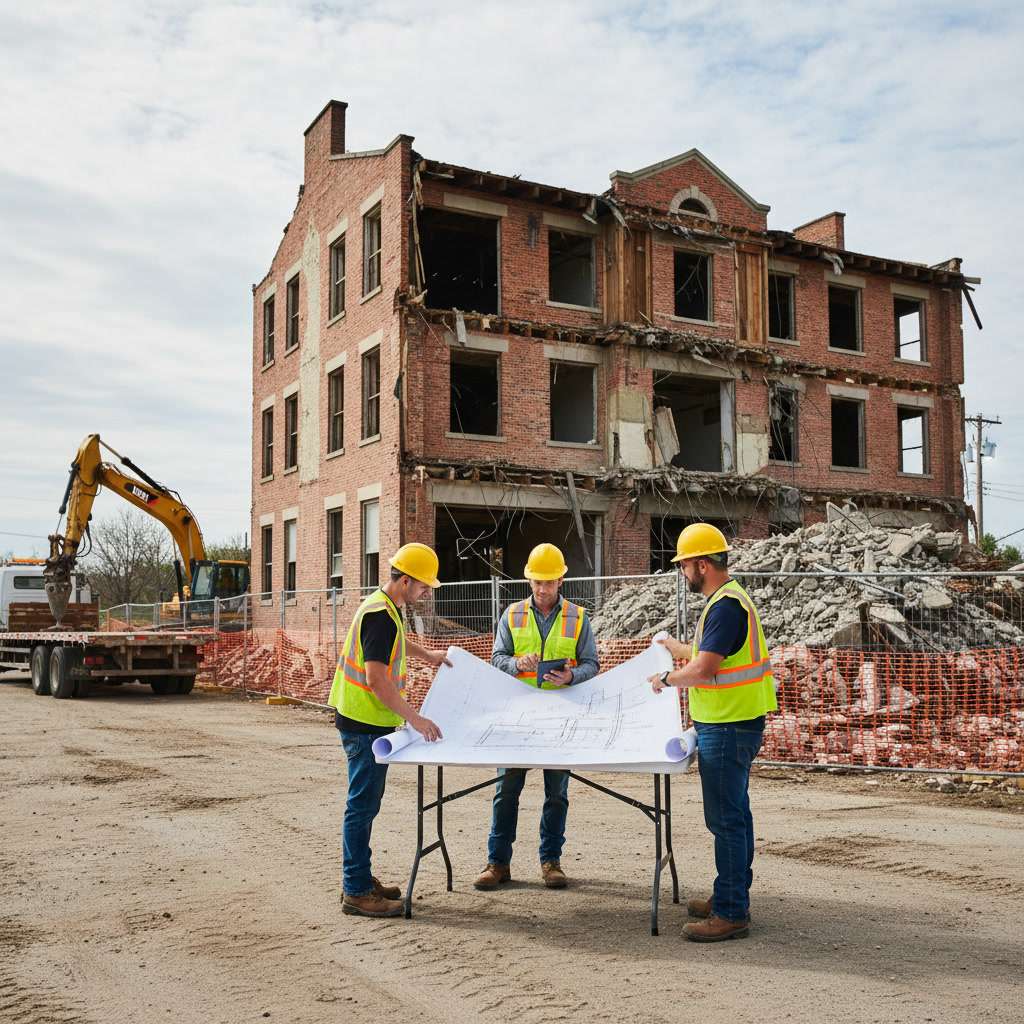
Initial Site Assessment and Hazard Identification in Essex County
Experienced crews identify potential hazards before starting physical work. Older structures may contain lead paint, asbestos siding, or contaminated soil from previous industrial use. Environmental testing determines whether special handling and disposal procedures apply, which affects both timeline and budget.
D.S. Landscaping & Construction evaluates site access to determine appropriate equipment. Narrow driveways or soft soil conditions may require smaller machinery or temporary access roads. Properties without direct street access sometimes need temporary easements from neighbors to move equipment and materials.
The Five Phases of Complete Site Clearing
Phase One: Vegetation and Tree Removal
Crews begin by removing trees, shrubs, and brush. Large trees near structures get sectioned from top to bottom to prevent damage to surrounding property. Stumps are ground below grade or completely extracted depending on future use plans. Tree services equipment includes chain saws, stump grinders, and brush chippers that reduce debris volume by up to 80 percent.
Phase Two: Structure Demolition
Excavators with specialized attachments dismantle buildings systematically. Operators typically start with roofing materials, then walls, and finally foundations. Concrete structures require hydraulic breakers or concrete pulverizers that crush material into manageable pieces. Wood-frame buildings come down faster but generate more debris that requires sorting for proper disposal.
Phase Three: Foundation and Hardscape Removal
Old foundations, driveways, and underground structures get excavated and removed. This phase often reveals unexpected obstacles like abandoned septic systems, cisterns, or buried construction debris from previous projects. Contractors sometimes encounter ledge, solid bedrock that requires hydraulic hammering or controlled blasting in extreme cases.
Phase Four: Debris Sorting and Removal
Professional operations separate materials for recycling and proper disposal. Concrete and asphalt go to crushing facilities for reuse as road base. Clean wood becomes mulch or biomass fuel. Metal gets recycled through scrap yards. Only true waste goes to landfills, reducing environmental impact and often lowering disposal costs by 30 to 40 percent compared to mixed-load dumping.
Phase Five: Rough Grading and Soil Preparation
Final grading establishes proper drainage patterns and prepares the site for its next use. Contractors create slight slopes that direct water away from future structures and toward designated drainage areas. Compaction testing ensures fill areas will support planned construction without settling.
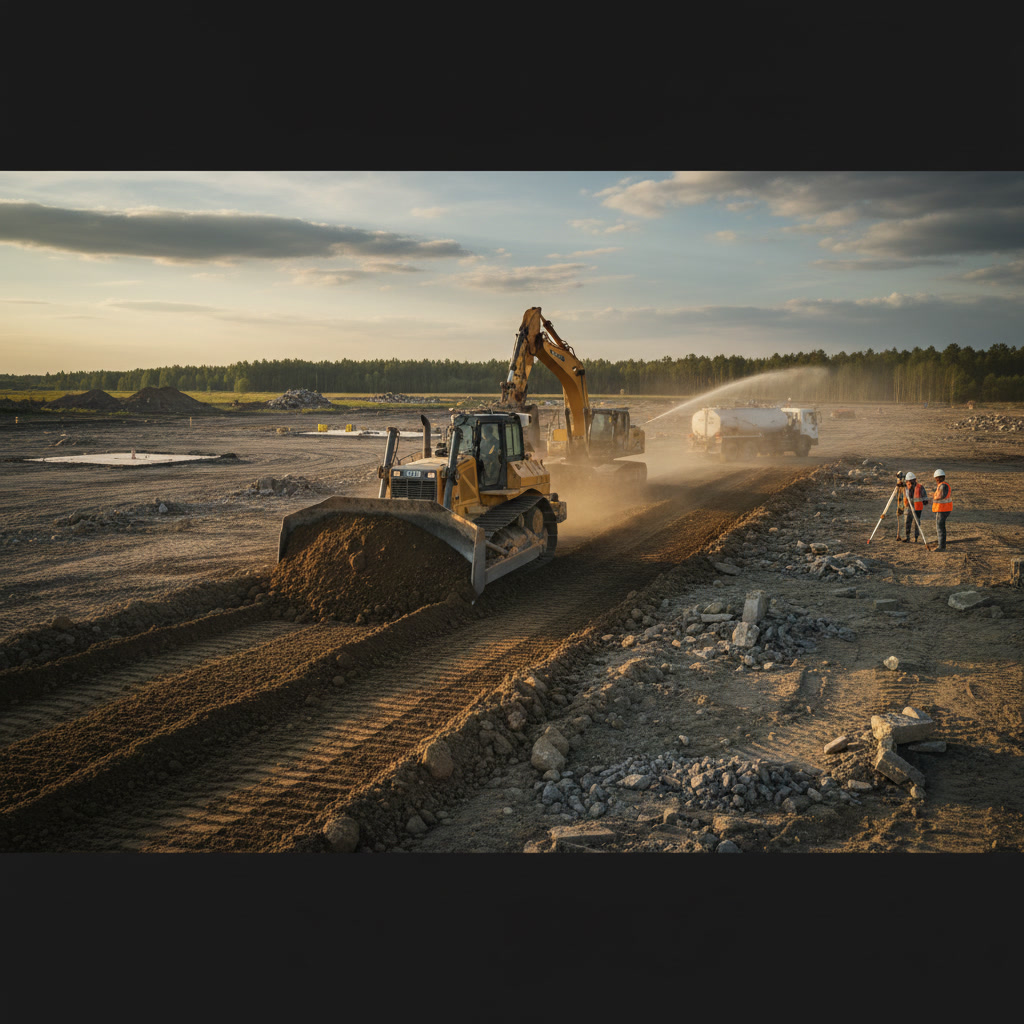
Equipment and Machinery Used in Professional Clearing
Track excavators ranging from 15,000 to 50,000 pounds handle most demolition work. Smaller machines access tight spaces and minimize ground disturbance, while larger equipment increases productivity on open sites. Specialized attachments transform excavators into multi-purpose tools: grapples grab and sort debris, shears cut steel beams, and pulverizers crush concrete into reusable aggregate.
Dump trucks sized from 10 to 20 cubic yards haul material off-site. A typical single-family home demolition generates 80 to 150 tons of debris requiring multiple truck loads. Skid steers with various attachments handle grading, material spreading, and site cleanup tasks that larger equipment cannot reach.
Timeline Expectations and Weather Considerations
Simple projects like single-structure removal on accessible lots take three to seven days. Complex sites with multiple buildings, significant vegetation, or difficult access require two to four weeks. Unforeseen conditions like buried debris, contaminated soil, or unexpectedly deep foundations extend timelines.
New England weather significantly impacts schedules. Frozen ground from December through March makes excavation difficult or impossible without specialized equipment. Spring mud season, typically late March through early May, creates access problems on unpaved areas. Contractors often recommend scheduling demolition for late spring through fall when ground conditions remain stable.
Managing Dust, Noise, and Neighborhood Impact
Heavy equipment generates substantial noise, typically 85 to 95 decibels at 50 feet. Most municipalities restrict demolition work to weekday daytime hours, usually 7 a.m. to 6 p.m. Considerate contractors notify neighbors before starting and maintain communication throughout the project.
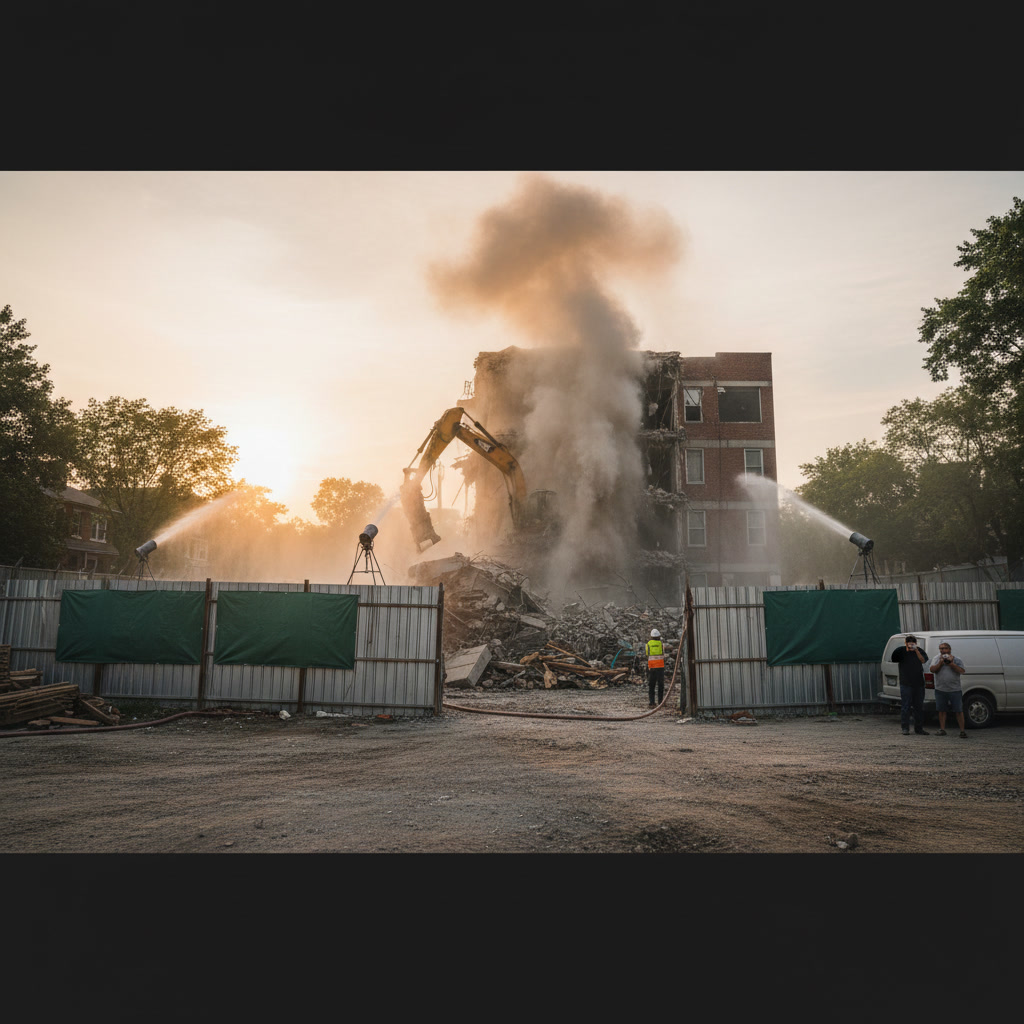
Dust control becomes critical during dry conditions. Water trucks spray work areas to suppress airborne particles that irritate neighbors and violate air quality regulations. Proper dust management protects nearby vehicles, pools, and outdoor furniture from coating in fine demolition dust that proves difficult to remove.
Cost Factors and Budget Considerations
Several variables influence total project cost. Structure size and construction type matter significantly, as a 1,200 square foot wood-frame garage costs less to demolish than a similar-sized concrete block building. Site accessibility affects equipment choices and labor hours. Disposal fees vary by material type, with hazardous waste commanding premium rates compared to clean fill.
Distance to disposal facilities impacts hauling costs. Properties located 30 miles from the nearest landfill or recycling center incur higher transportation expenses than those five miles away. Some contractors include disposal in quoted prices, while others bill separately, so clarify pricing structure during the estimate process.
What Happens After Clearing Completes
Cleared sites offer a blank canvas for transformation. Many property owners proceed immediately with new construction, while others implement landscaping and design projects that include retaining walls, outdoor living spaces, or improved drainage systems. Understanding how to incorporate hardscape elements into a cohesive landscape design helps property owners maximize their newly cleared space.
Some projects require additional soil work before construction begins. Compaction testing identifies areas needing additional fill or stabilization. Percolation tests determine soil suitability for septic systems on properties without municipal sewer access. Topsoil placement prepares areas designated for lawn or planting beds.
Preparing Your Property for Success
Property owners should remove valuable items, utilities, and personal belongings before crews arrive. Contractors focus on demolition efficiency and cannot distinguish between trash and items worth saving. Disconnect and cap water lines, seal sewer connections, and remove propane tanks according to local codes.
Clear communication prevents misunderstandings about project scope. Mark trees and vegetation you want preserved with bright tape or paint. Identify property boundaries clearly to prevent accidental encroachment. Discuss debris pile locations if contractors will stage material before hauling to ensure piles do not block access or damage underground utilities.
An often-overlooked expert insight: always request that contractors preserve the top six to eight inches of existing topsoil by stockpiling it separately before deeper excavation begins. This organic-rich layer took decades to develop and proves invaluable for establishing lawns and gardens after construction completes. Many contractors mix topsoil with subsoil or haul it away unless specifically instructed otherwise, forcing property owners to purchase replacement topsoil at significant expense.
Moving Forward with Your Cleared Property
Complete property demolition and site clearing transforms unusable or outdated spaces into opportunities for new development. The systematic process removes obstacles, addresses environmental concerns, and prepares land for whatever vision you have planned. Professional execution ensures work meets regulations, protects surrounding property, and creates stable ground for future construction.
D.S. Landscaping & Construction brings extensive experience to demolition and site clearing projects throughout Massachusetts. Whether you are preparing for new construction, expanding outdoor living areas, or transforming an overgrown lot, proper planning and professional execution make the difference between a smooth project and costly delays. Contact our team at 978 786 2087 to discuss your property clearing needs and receive a detailed project estimate.